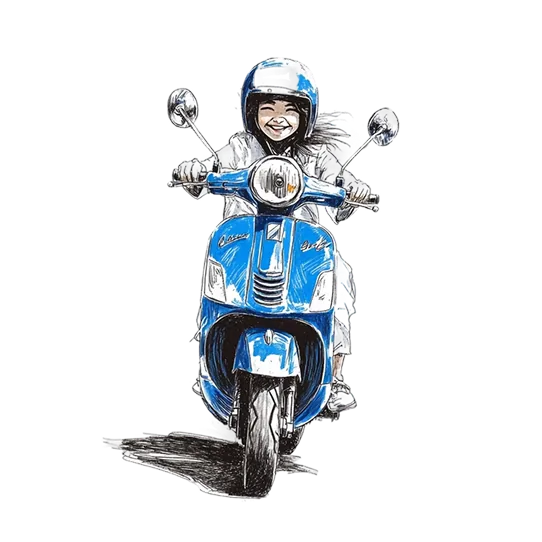

Lady Drivers
We empower women through tourism jobs. All our drivers are fully licensed and super friendly!
Last-minute booking or questions, please message us
(+84) 90 1006 844KissTour runs women-led food and city tours in Ho Chi Minh City and Da Nang, plus airport fast track at all major Vietnam airports — 100% female riders, fully licensed.
Trusted by 100,000+ guests with 5,200+ five-star reviews and a #1 TripAdvisor ranking since 2017.
As featured in & reviewed on





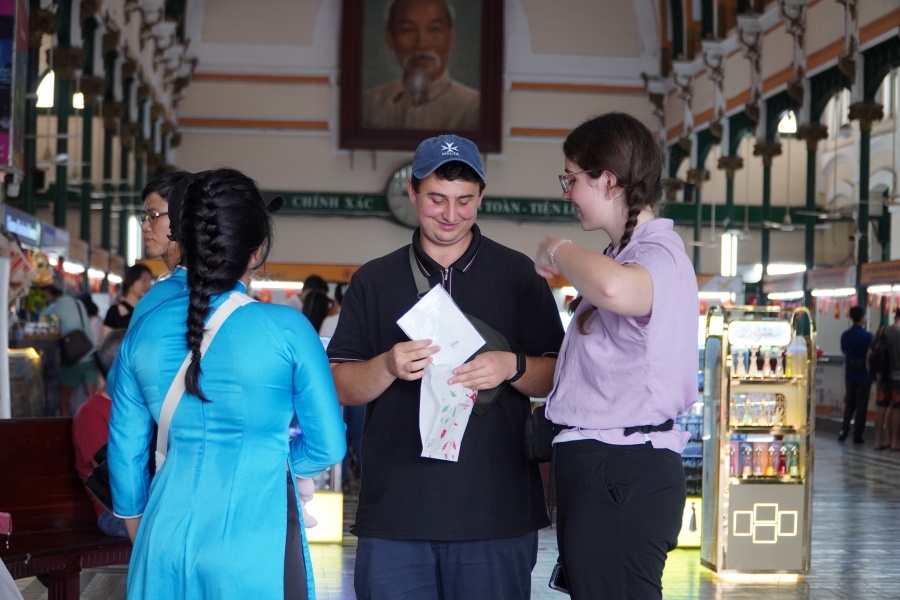
7 hours
US $78 per person
The full-day version of our Saigon city tour: 7 hours across the city’s famous landmarks, hidden war-time stories and lesser-known gems, with a local meal…
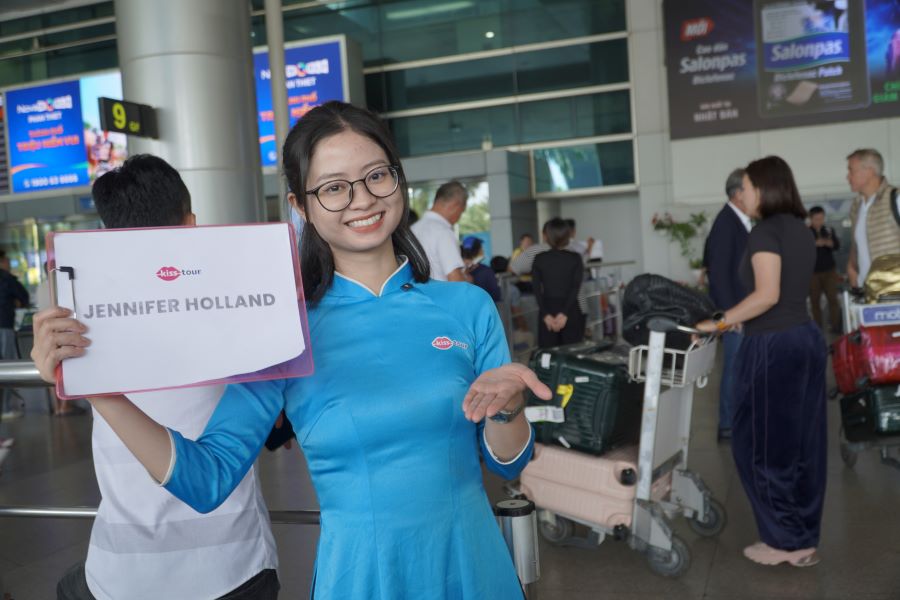
US $30 per person
Your host is waiting in the arrival hall with a KissTour sign. Your fast-track slot is booked with the airport before you fly, so you…
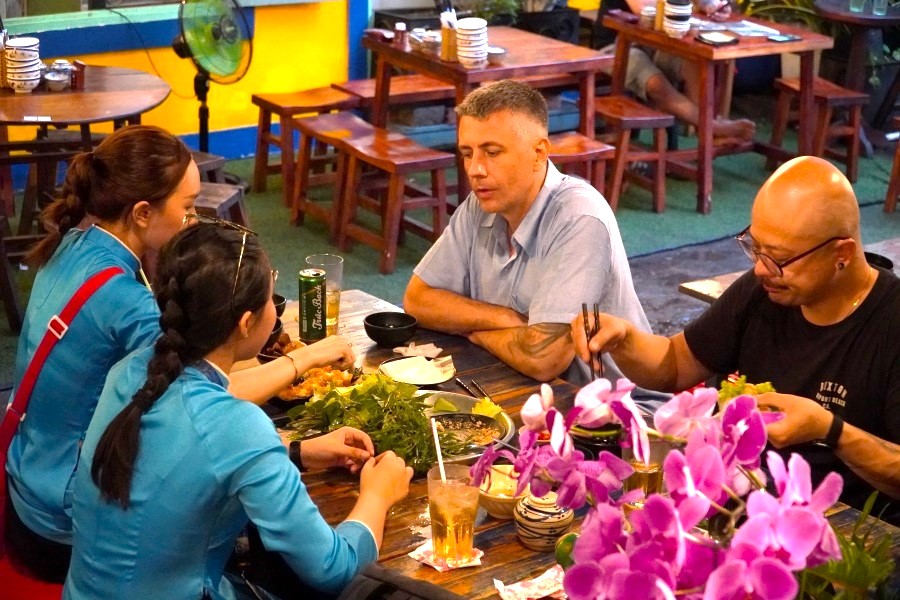
4.5 hours
US $79 per person
Our Michelin-inspired food tour takes you to 6 local spots across 5 districts, with 7+ authentic dishes and one scenic stop by night.

4 hours
US $59 per person
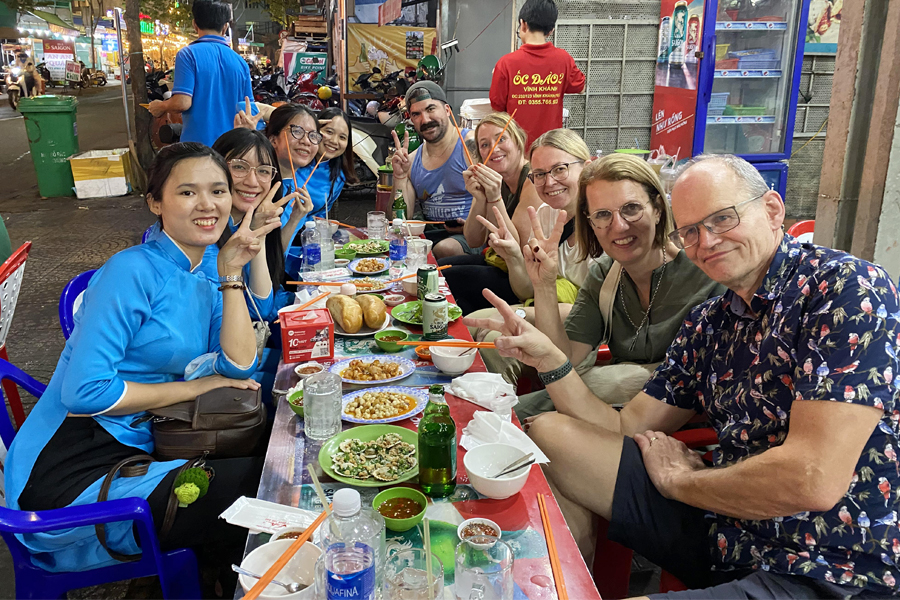
Our #1-rated food tour in Ho Chi Minh takes you to real local spots, with 10+ authentic dishes and 5 districts to explore at night.
3.5 hours
US $39 per person
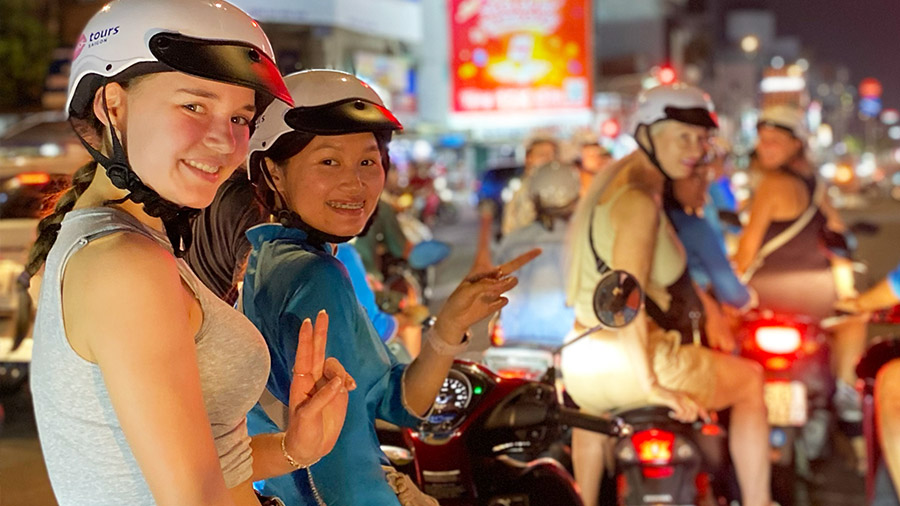
Feel like a local when immersing yourself into the nightlife and explore the local places that most tourists don’t often see.
3.5 hours
US $45 per person
Explore Saigon’s history and hidden war-time stories in half-day or full-day options. Includes famous landmarks and lesser-known gems.
4 hours
US $59 per person
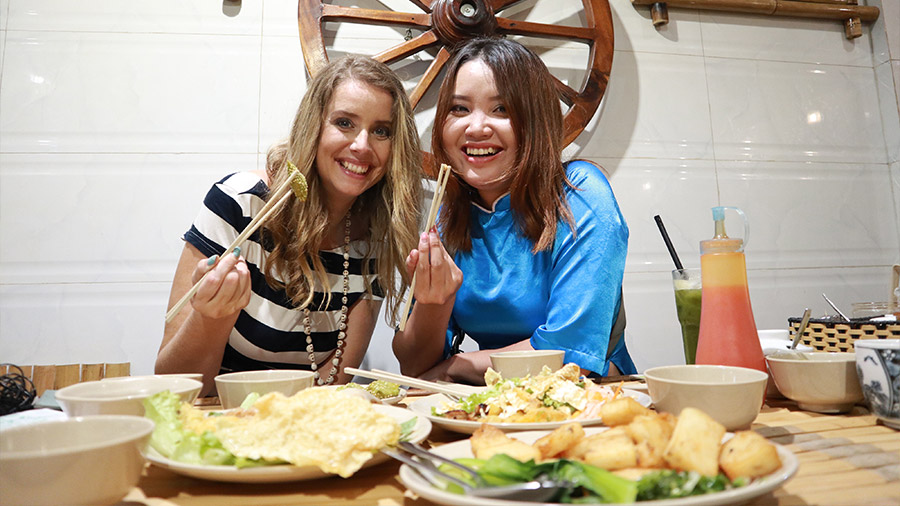
Ride through Saigon and enjoy 10+ flavorful vegan dishes with local guides who feel more like friends than tour leaders.
7 hours
US $78 per person
The full-day version of our Saigon city tour: 7 hours across the city’s famous landmarks, hidden war-time stories and lesser-known gems, with a local meal…
US $30 per person
Your host is waiting in the arrival hall with a KissTour sign. Your fast-track slot is booked with the airport before you fly, so you…
4.5 hours
US $79 per person
Our Michelin-inspired food tour takes you to 6 local spots across 5 districts, with 7+ authentic dishes and one scenic stop by night.
4 hours
US $59 per person
Our #1-rated food tour in Ho Chi Minh takes you to real local spots, with 10+ authentic dishes and 5 districts to explore at night.
3.5 hours
US $39 per person
Feel like a local when immersing yourself into the nightlife and explore the local places that most tourists don’t often see.
3.5 hours
US $45 per person
Explore Saigon’s history and hidden war-time stories in half-day or full-day options. Includes famous landmarks and lesser-known gems.
4 hours
US $59 per person
Ride through Saigon and enjoy 10+ flavorful vegan dishes with local guides who feel more like friends than tour leaders.
We help you travel better
July 6, 2026
Fast track in Vietnam costs $30-83 USD: registered with the airport in advance, your host takes you through the fast-track line. When it is worth it, when to skip it, and a cost table for all 5 airports.
July 6, 2026
Fast track in Vietnam costs $30-83 USD: registered with the airport in advance, your host takes you through the fast-track…



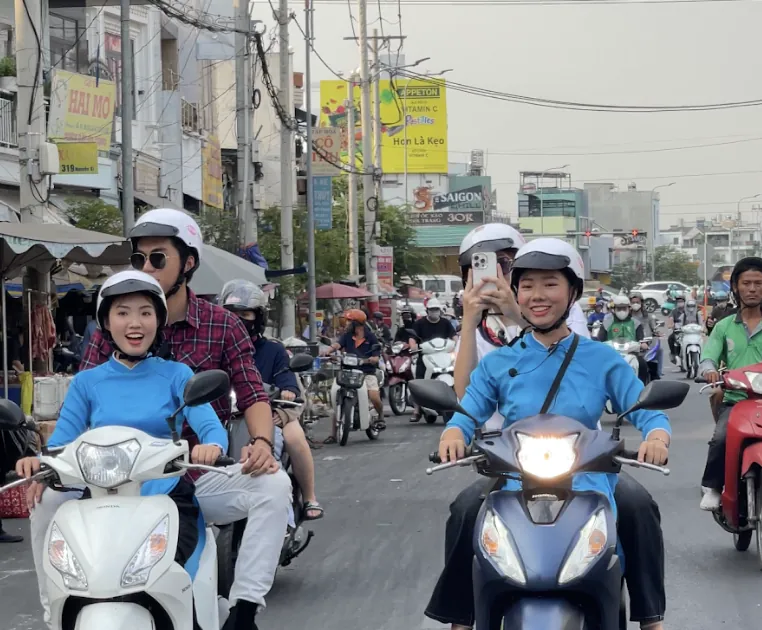
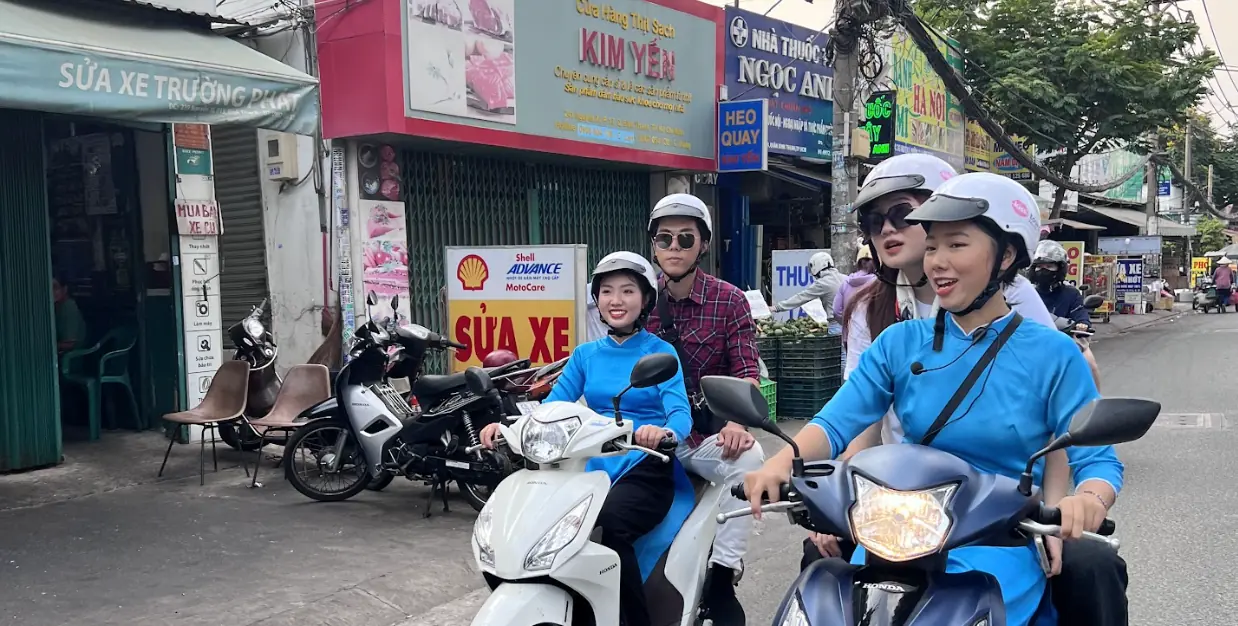
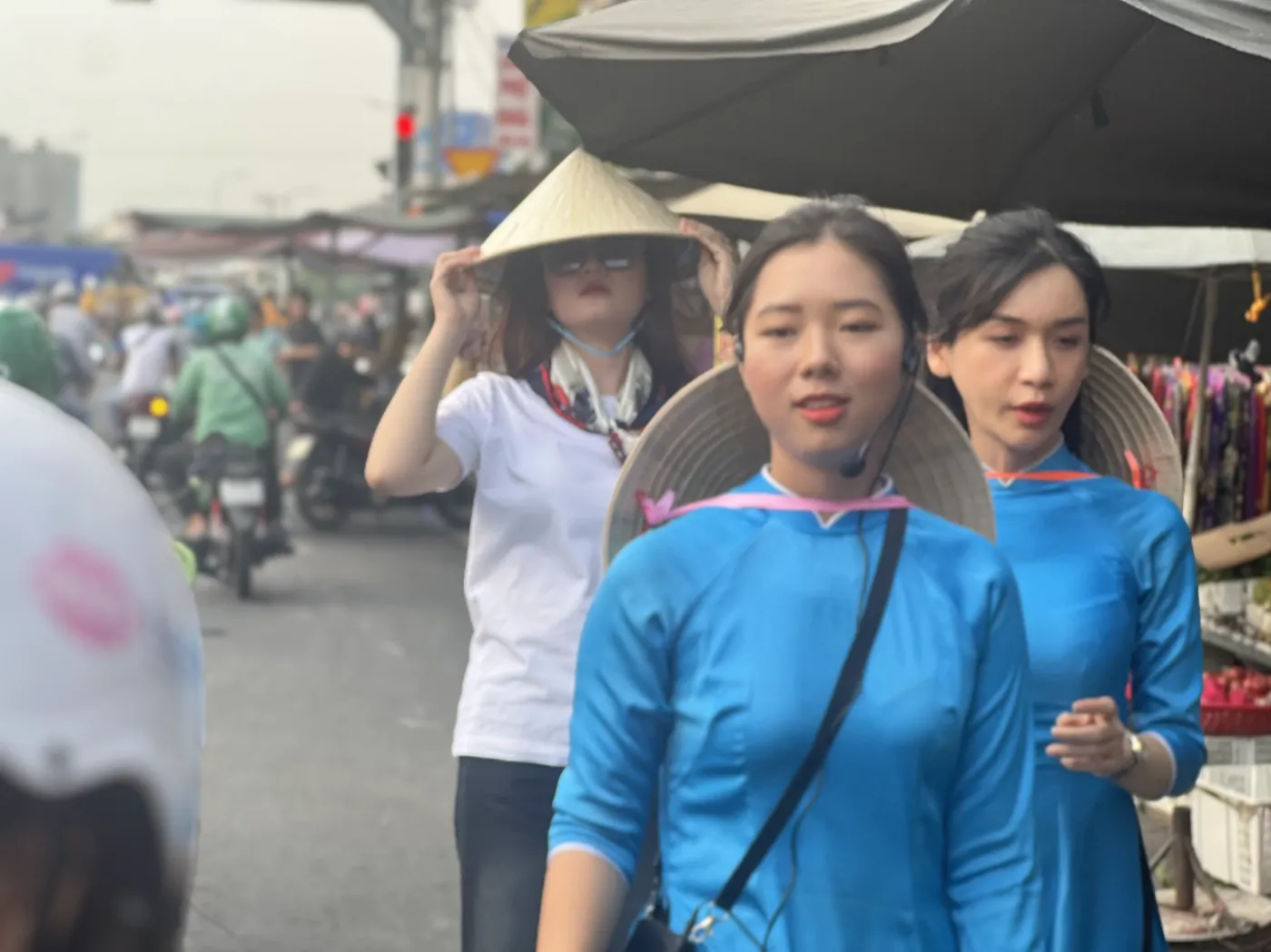
I highly recommend this tour, I’ve done bike city tours before but this was the best. The girls are amazing, knowledgeable and speak fantastic English. They are very safe drivers (so much so that I was comfortable with them taking my 16 yr daughter on the back of their bike). The lunch was delicious and they brought us to so many interesting places. This is a must if you come to HCM

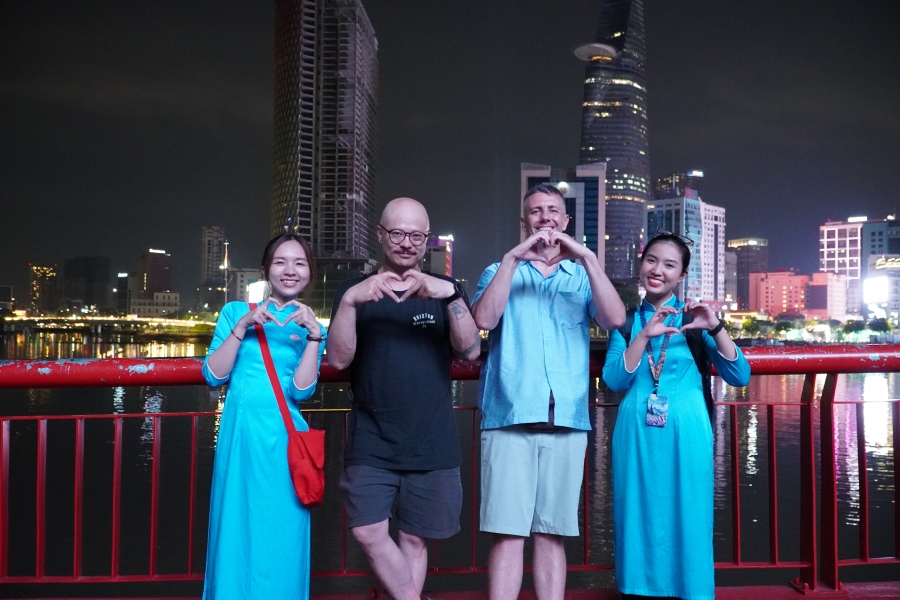
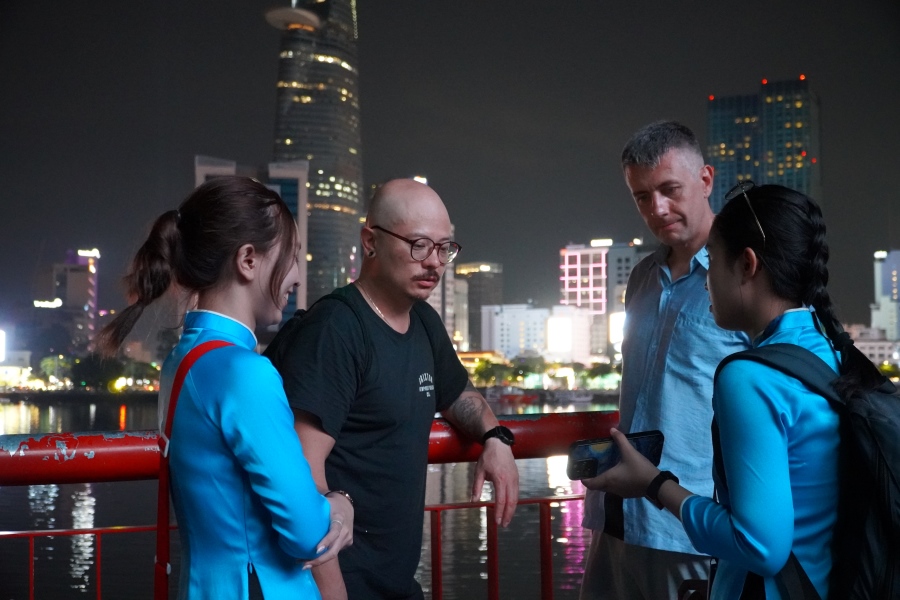
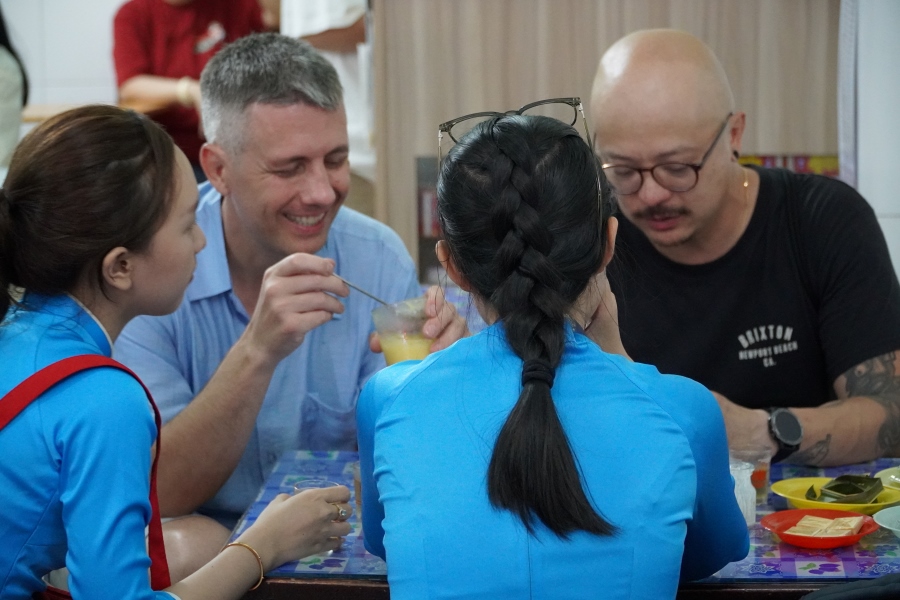
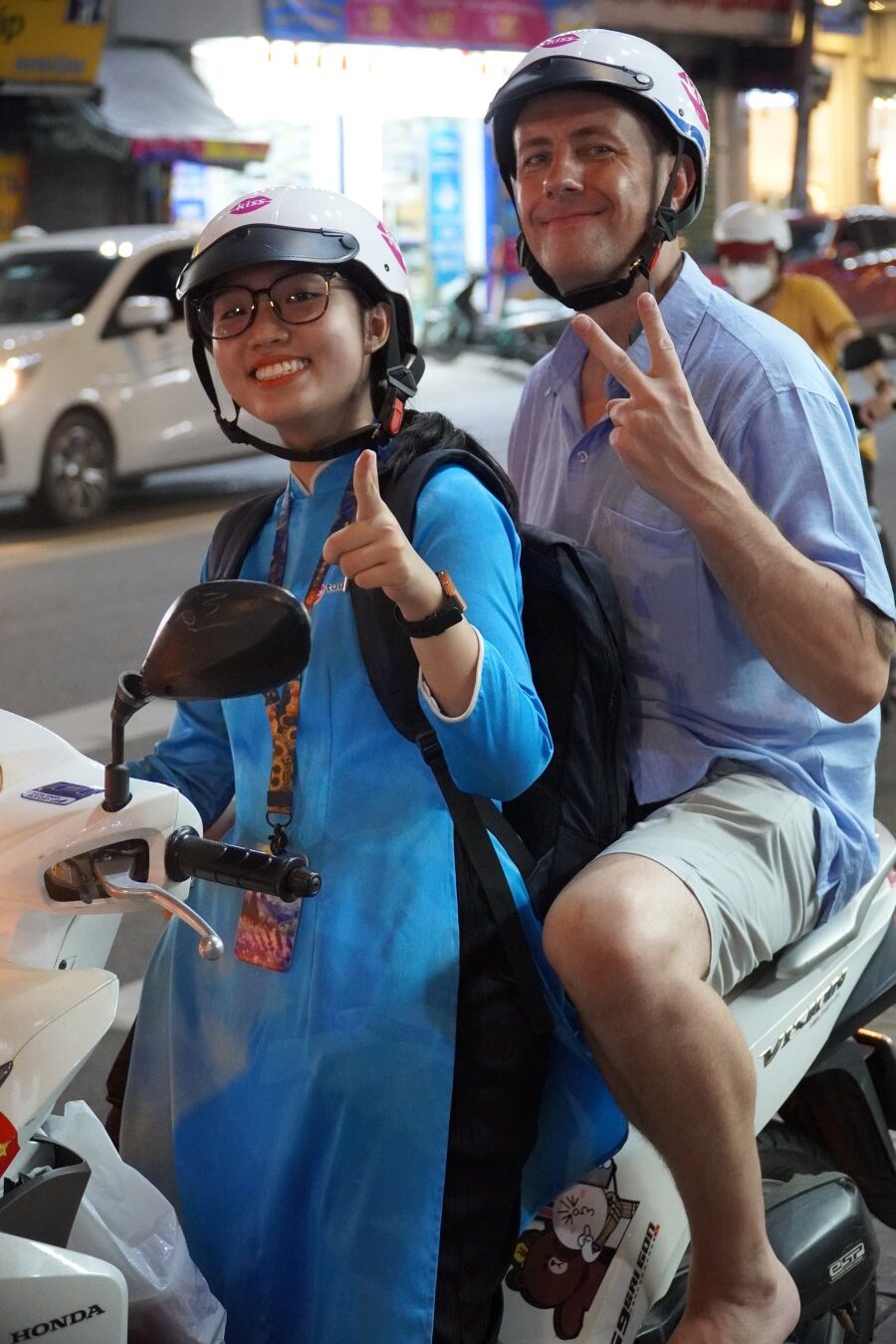
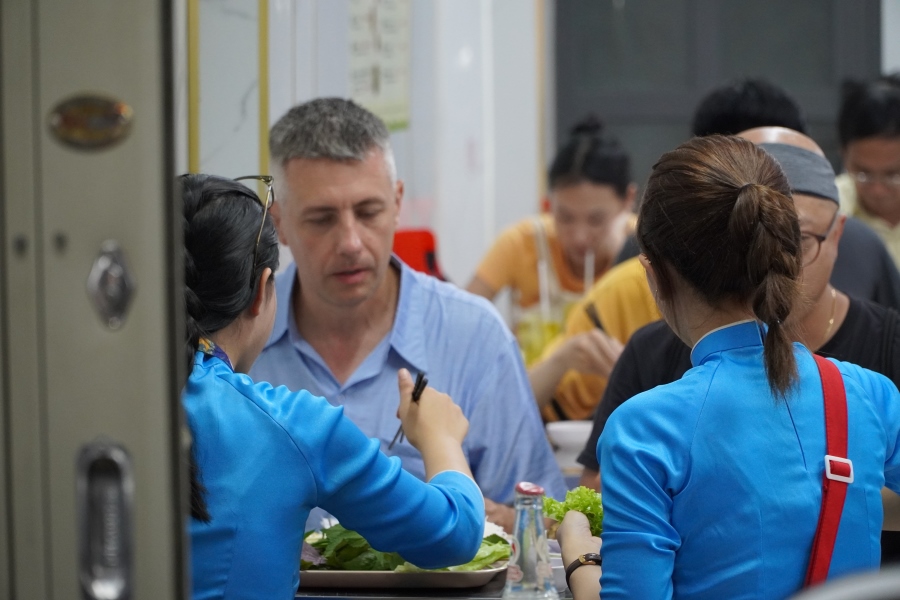
My husband and I enjoyed a fantastic tour with these lovely ladies. At times, it was a bit terrifying but also exhilerating on the back of the scooter as they weaved their way through the streets of Ho Ch Minh. We went to several districts and tried many different types of food . The girls explained what the food was, its history and how to eat it . I am still thinking about the delicious crab noodle soup that had huge chunks of crab meat and the most incredibly flavoured stock. They were so much fun and really seemed to enjoy showing us their city. My tip would be to do this food tour first at the beginning of your stay so that you can go back to places you like if you wanted to later.

Incredible Food Tour Experience with Vy from Kiss Tour!
My food tour in Ho Chi Minh City with Vy from Kiss Tour was absolutely extraordinary! Vy is an experienced, kind-hearted, and incredibly knowledgeable guide who made my evening unforgettable.
From the moment I met her, Vy’s warm personality and genuine care for my experience stood out. She effortlessly guided me through the bustling streets and hidden alleyways, introducing me to local gems and authentic Vietnamese dishes I would’ve never found on our own.
Her deep understanding of Vietnamese culture, food, and history added so much value to every bite and every stop. She patiently explained the ingredients, preparation, and stories behind each dish, and made sure I was comfortable and enjoying ourselves throughout.
Not only is Vy a true foodie, but her passion for sharing her culture shines in everything she does. She took the time to connect with me on a personal level, tailoring the experience to my tastes and pace, and made me feel like I was exploring the city with a good friend.
If you’re in Ho Chi Minh City and want a food tour that goes beyond just great food – one filled with heart, authenticity, and unforgettable moments – Vy is the guide you need. Highly, highly recommended!

One the most beautiful experiences here in Vietnam! Love a reality thought and built by women! The girls are amazing, so funny, welcoming and super professional! I will do it again when I will be in Saigon!

Keidy and Esther provided us with such an informative experience. They were both really great to talk with, not only about the food but also the local Vietnemese people and their way of life both past and present. Highly recommend

⭐️⭐️⭐️⭐️⭐️ indeed! Thank you Ms. Kim and Ms. Jasmine!

A wonderful motorcycle experience with Windy! An exceptional driver who took me through the streets of Ho Chi Minh City and told me, in excellent English, many stories, anecdotes, and customs of the wonderful Vietnamese world.
Highly recommended for Windy’s professionalism, kindness, and helpfulness!
A wonderful motorcycle experience with Windy! An exceptional driver who took me through the streets of Ho Chi Minh City and told me, in excellent English, many stories, anecdotes, and customs of the wonderful Vietnamese world. Highly recommended for Windy’s professionalism, kindness, and helpfulness!

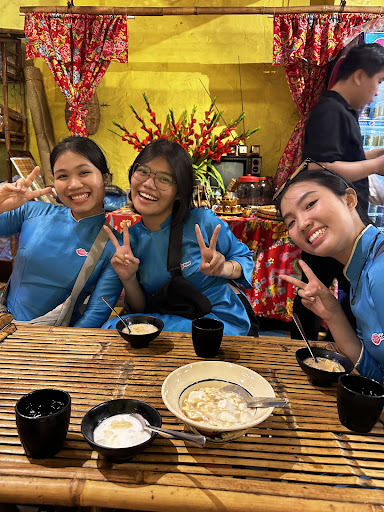
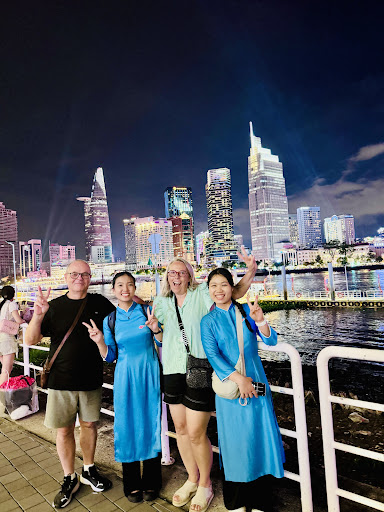
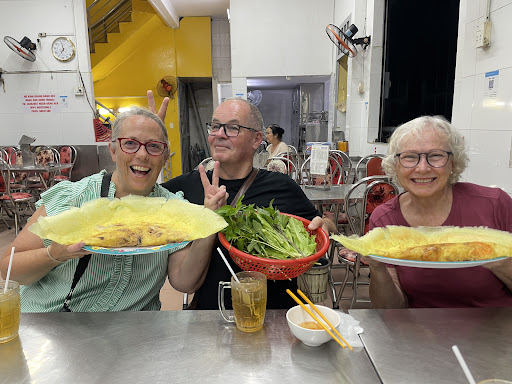
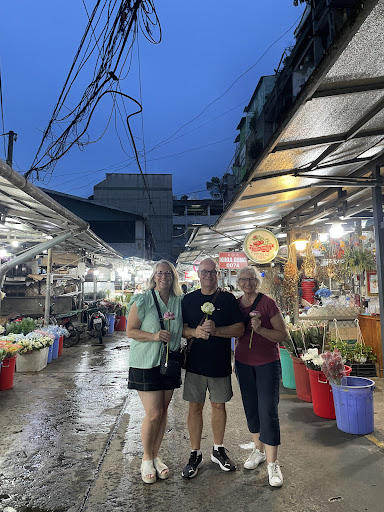
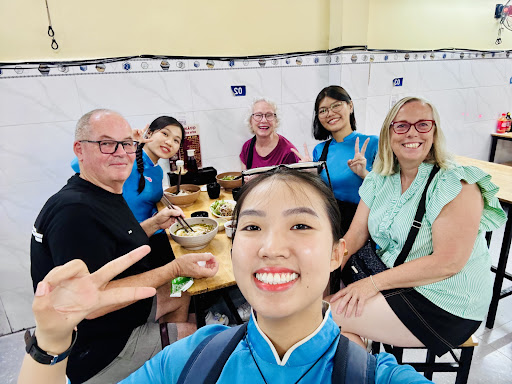
Our tour last night with Fidelia, Hannah and Vy is the highlight of my trip so far. The ladies were super guides and so much fun. I felt very safe on the scooter and was happy to take videos while riding. The food was great and it was nice to learn the right way to eat some of the foods plus I ate some foods I wouldn’t normally have chosen and discovered they were delicious! The sightseeing was an added bonus. The ladies were brilliant with their knowledge of the city and making each experience valuable and fun.
If you can safely get on and off the back of a scooter I highly recommend this tour!
function addClickEventToReadMoreButtons() {
    document.querySelectorAll(".testimonial-card-more").forEach(button => {
        if (!button.dataset.eventBound) {
            button.dataset.eventBound = "true";
            button.addEventListener("click", function(event) {
                event.stopPropagation();
                let cardContentWrap = this.closest(".testimonial-card").querySelector(".testimonial-card-content-wrap");
                openPopupWithCardContent(cardContentWrap);
            });
        }
    });
}

function openPopupWithCardContent(cardContentWrap) {
    let cardContent = cardContentWrap.innerHTML;
    let popupContent = document.querySelector(".brxe-popup-3733 .popup-content");

    popupContent.innerHTML = ''; // Xóa nội dung cũ
    popupContent.innerHTML = cardContent; // Thêm nội dung mới

    // Cập nhật data-script-id cho ul trong popup
    const ulElement = popupContent.querySelector('ul[data-script-id]');
    if (ulElement) {
        ulElement.setAttribute('data-script-id', 'vtgallery');
    }

    // Mở popup
    bricksOpenPopup(3733);

    // Khởi tạo lại lightbox sau khi popup mở
    setTimeout(function() {
        initLightbox();
    }, 500);
}

function initLightbox() {
    const ulElement = document.querySelector('.popup-content ul[data-script-id]');

    if (typeof PhotoSwipeLightbox !== "undefined" && ulElement) {
        let lightbox = new PhotoSwipeLightbox({
            gallery: ulElement,
            children: "a",
            pswpModule: PhotoSwipe5,
            paddingFn: (viewportSize) => ({
                top: 24,
                bottom: 24,
                left: 0,
                right: 0
            })
        });
        lightbox.init();
    } else {
        console.error("PhotoSwipe is not loaded properly or element not found.");
    }
}

document.addEventListener('DOMContentLoaded', function () {
    // Gắn sự kiện ban đầu
    addClickEventToReadMoreButtons();

    // Tự động thêm class `brx` vào .pswp khi ảnh trong popup được click
    const popupContent = document.querySelector('.popup-content');
    if (popupContent) {
        popupContent.addEventListener('click', function(event) {
            if (event.target.tagName === 'IMG' && event.target.closest('.bricks-layout-item')) {
                const pswpElement = document.querySelector('.pswp');
                if (pswpElement) {
                    setTimeout(function() {
                        pswpElement.classList.add('brx');
                    }, 100);
                }
            }
        });
    }

    // Dùng MutationObserver để theo dõi khi Ajax thêm item
    const observerTarget = document.querySelector('.testimonials-container') || document.body;

    const observer = new MutationObserver((mutationsList) => {
        for (let mutation of mutationsList) {
            if (mutation.type === 'childList' && mutation.addedNodes.length > 0) {
                addClickEventToReadMoreButtons(); // Gắn lại sự kiện cho các phần tử mới
            }
        }
    });

    observer.observe(observerTarget, {
        childList: true,
        subtree: true
    });
});
Founded in 2017 by a local woman, KissTour began as Saigon Kiss Tours, a bold idea to showcase Vietnam through women-led motorbike tours. We’ve served over 100,000 travelers, earned top ratings, and have a high rate of returning guests. More than 500 local women have found jobs through our tours.
Read our story