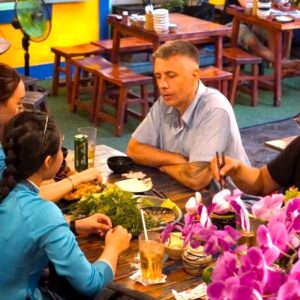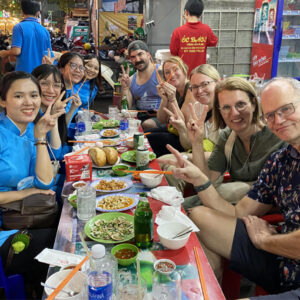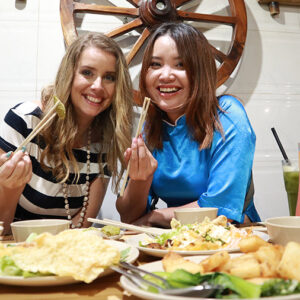

Da Nang food has its own identity — and it is not the same as Hanoi or Ho Chi Minh City. The city sits in Central Vietnam, a region known for bold, savory flavors, fresh herbs, and dishes that have barely changed in decades. If you only eat at tourist-facing restaurants, you will miss most of it.
This guide covers the dishes that actually matter in Da Nang: what they are, what makes them different, and where you are most likely to find the real version.
Prices are in VND with a rough guide at about 26,500 VND to $1; rates shift, so the dollar figures are approximate. The noodle dish that defines the region, mì Quảng, alone is worth arranging a morning around.
Why Is Da Nang Food Different From the Rest of Vietnam?
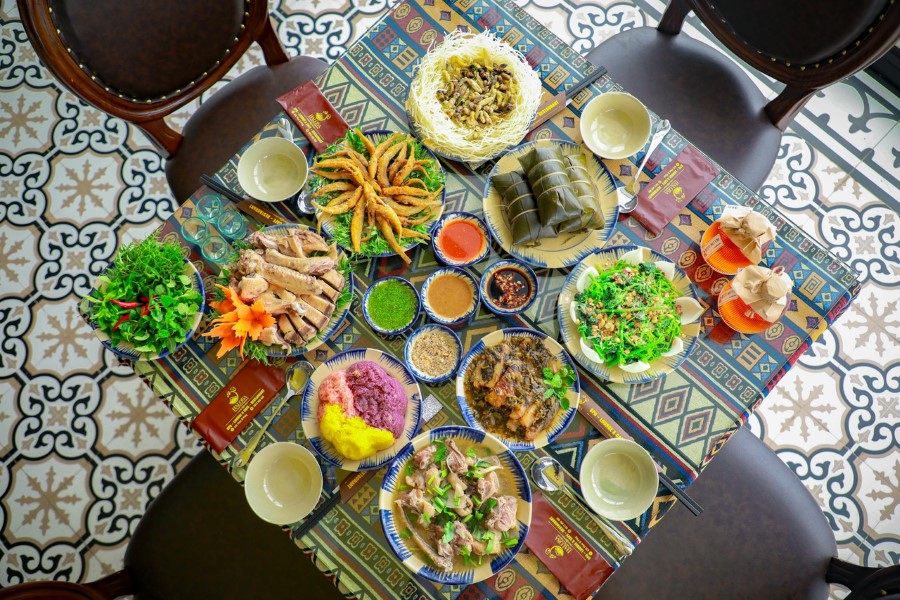
Central Vietnamese food hits differently — and that is by design. Da Nang sits at the heart of a culinary tradition that values depth of flavor over sweetness. You will find more fermented shrimp paste (mắm nêm), more turmeric, more fresh herbs, and more DIY assembly at the table compared to dishes from Hanoi or Ho Chi Minh City.
“Of Vietnam’s three regions — north, central and south — Central Vietnamese food is the most interesting and the boldest. And the sea brings its richness into the food: fresh seafood works its way into dishes here in a way it simply doesn’t inland,” says Natalie Vo, KissTour’s founder.
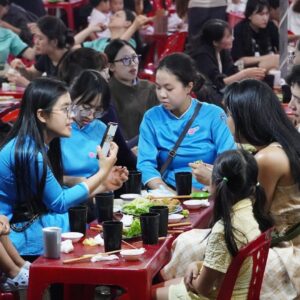
Portions tend to be smaller and more focused. A bowl of mì Quảng in Da Nang is not trying to be a complete meal on its own — it is part of a longer, slower way of eating. Locals often graze across multiple dishes rather than ordering one large plate. That approach makes Da Nang a city where eating is best done slowly, across several stops, ideally starting early in the morning.
Eat these dishes with someone who orders them weekly:
- Da Nang Food Tour — five to seven stops, all local prices explained
- Da Nang Michelin Food Tour — the Guide-listed places, without the queue guesswork
The Essential Da Nang Dishes (What Locals Actually Eat)
Mì Quảng — The Dish That Defines Central Vietnam
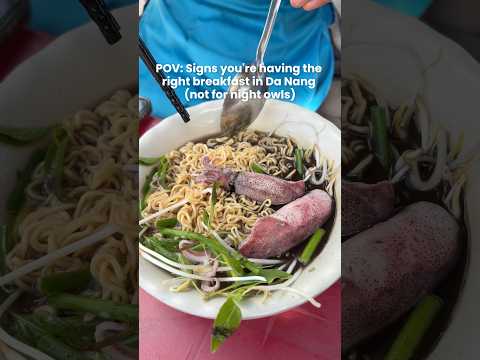
Mì Quảng (pronounced roughly “mee kwang”) is the single most iconic dish of the Quảng Nam region, which includes Da Nang. It is a noodle dish, but not a soup — the broth is minimal, poured just enough to coat the thick turmeric-yellow noodles rather than submerge them. Toppings typically include pork, shrimp, a quail egg, peanuts, sesame rice crackers (bánh tráng), and a generous pile of fresh herbs.
What makes mì Quảng in Da Nang different from what you might find elsewhere is the quality of the broth and the ratio of toppings to noodle. Locals eat it for breakfast or lunch, almost never for dinner. The key is the fresh herbs — do not skip them. They are not a garnish; they are part of the dish.
Where to eat it: Mì Quảng Bà Mua — 19 Trần Bình Trọng, Hải Châu District. Open 7:00 AM – 8:00 PM.
Nem Lụi — Grilled Pork on Lemongrass Skewers
Nem lụi (pronounced “nem lwee”) is grilled minced pork wrapped around lemongrass stalks and cooked over charcoal. You eat it by rolling it yourself in rice paper with fresh vegetables — lettuce, cucumber, green banana, star fruit — then dipping into a peanut-based sauce (nước lèo) thickened with pork liver.
The assembly is half the experience. There is no wrong way to do it, but locals tend to wrap small and dip generously. Nem lụi is a classic afternoon snack or light dinner dish and is one of the most distinctly Da Nang foods you can eat — it does not travel well as a concept to other cities.
Bánh Xèo — Crispy Savory Crepes
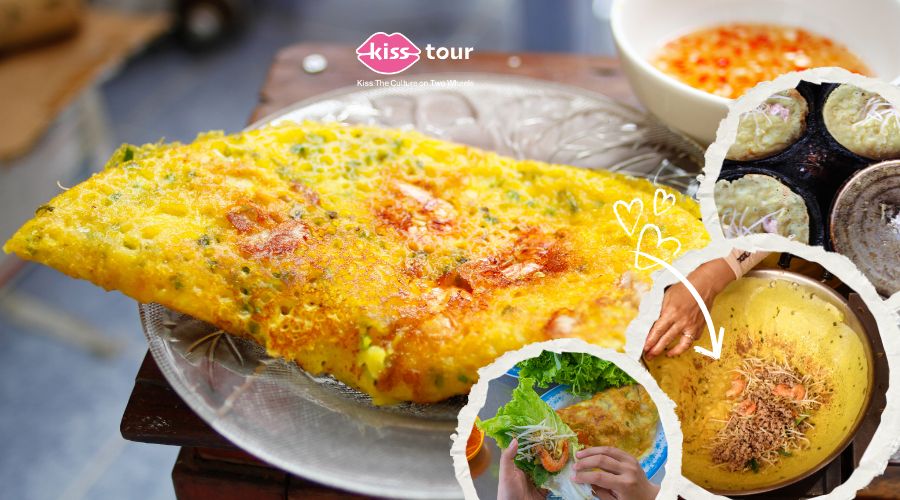
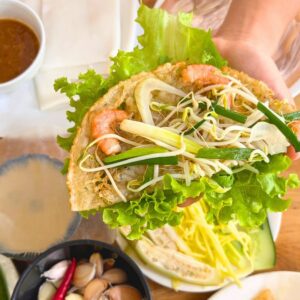
Bánh xèo (pronounced “bahn say-oh” — the name literally means “sizzling cake,” from the sound it makes in the pan) is a crispy rice flour crepe folded around bean sprouts, shrimp, pork, and green onion. Central Vietnamese bánh xèo is notably smaller and crispier than the Southern version, which tends to be larger and softer.
You eat it by tearing pieces off the crepe, wrapping them in mustard leaf or rice paper with fresh herbs, and dipping into a light fish sauce (nước chấm). The contrast between the crispy crepe and the soft wrap is the point.
Bánh Tráng Cuốn Thịt Heo — Rice Paper Rolls with Boiled Pork
This dish is so local that many visitors do not even know its name, but it appears on almost every table at casual Da Nang restaurants. Thin rice paper sheets (bánh tráng) are wrapped around slices of boiled pork belly, fresh herbs, green mango, and starfruit, then dipped into mắm nêm — a fermented shrimp paste sauce that is pungent, salty, and deeply savory.
Mắm nêm is an acquired taste, but it is the defining condiment of Da Nang. If you eat this dish without trying the sauce, you are getting about half the experience.
Bún Mắm Nêm — Noodle Soup with Fermented Shrimp Paste
A lesser-known but deeply local option: bún mắm nêm is a vermicelli noodle soup built on a broth made from fermented shrimp paste, pork bones, and lemongrass. It is served with pork, shrimp, fresh herbs, and sliced chili. The broth is intense and not for everyone, but it is one of the most honest expressions of Central Vietnamese flavor you can find.
Best eaten for breakfast. Look for small, non-touristy shops near local markets.
Bánh Mì Da Nang Style
Da Nang’s version of bánh mì deserves mention because it differs from what most visitors encounter in Ho Chi Minh City. The bread tends to be crispier, the filling simpler — typically pork pâté, cold cuts, pickled vegetables, and a light spread of butter or mayonnaise. Less is more here. Some of the best bánh mì in Da Nang comes from shops with no signage, operating out of a cart on the street from early morning until around 9am.
Da Nang Food at a Glance
| Dish | Vietnamese name | Typical price | Best time to eat |
|---|---|---|---|
| Central-style noodles | Mì Quảng | 30,000–50,000đ | Breakfast / Lunch |
| Lemongrass pork skewers | Nem Lụi | 40,000–70,000đ | Afternoon / Dinner |
| Savory crispy crepe | Bánh Xèo | 30,000–60,000đ | Lunch / Dinner |
| Rice paper pork roll | Bánh Tráng Cuốn Thịt Heo | 50,000–80,000đ | Lunch / Dinner |
| Shrimp paste noodle soup | Bún Mắm Nêm | 25,000–45,000đ | Breakfast |
| Vietnamese sandwich | Bánh Mì | 15,000–30,000đ | Breakfast |
If You Only Have One Meal in Da Nang, Eat This
If you have a single meal to spend in Da Nang, order mì Quảng. It is the dish most closely associated with this region, it is cheap, it is filling enough to be satisfying, and eating it correctly — with the rice crackers, fresh herbs, and the last scrape of broth — gives you a clear sense of what Central Vietnamese food is actually about. Find a shop that has been open for at least 10 years and is full of locals by 8am. That is the one.
Frequently Asked Questions
Is Da Nang food spicy?
Da Nang food can be spicier than what you find in Ho Chi Minh City, but most dishes are not aggressively hot by default. Fresh chili is usually served on the side, so you control the heat. Dishes like mì Quảng and bánh xèo are mild unless you add chili yourself. Mắm nêm sauce can be sharp and pungent but its heat comes more from fermentation than spice.
Is street food in Da Nang safe to eat?
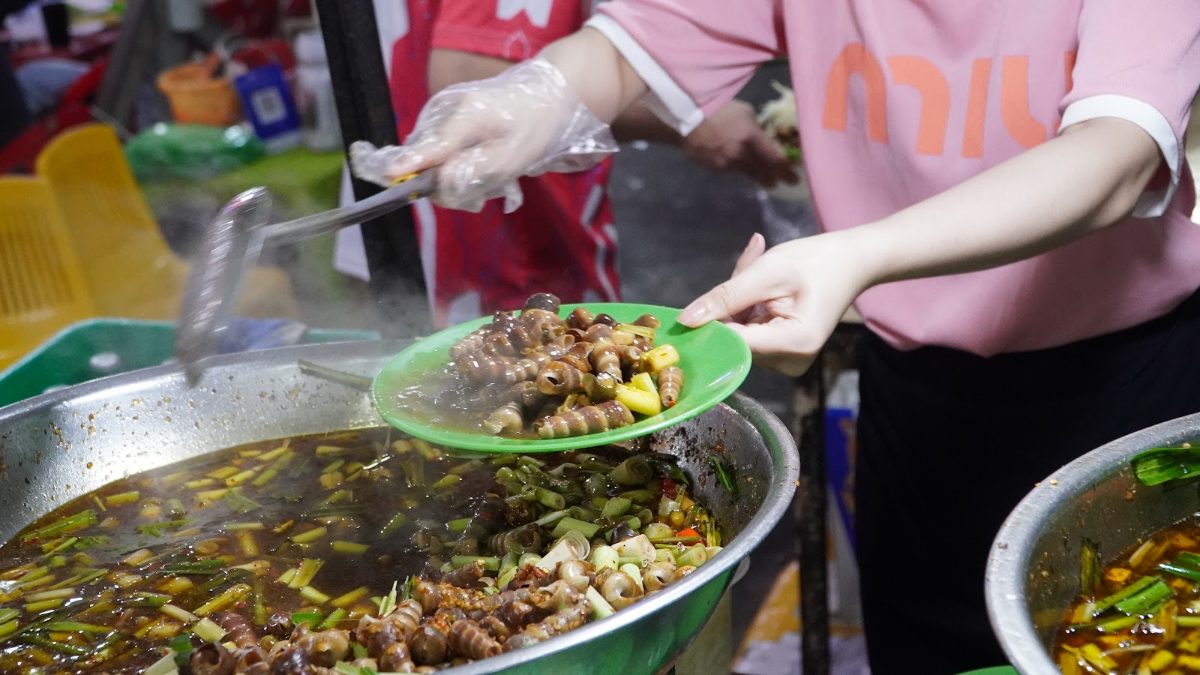
Street food in Da Nang is generally safe, especially at busy stalls with high turnover. The main risk with any street food in Vietnam is eating at places with low customer volume — fresh ingredients sitting out too long. Stalls near local markets that open at dawn and sell out by midmorning are a reliable indicator of quality and freshness. Avoid places with no locals eating there.
Can vegetarians eat well in Da Nang?
Vegetarian options exist in Da Nang, but they require some navigation. The city has a Buddhist vegetarian tradition (đồ chay), and you will find dedicated vegetarian restaurants, especially near pagodas. At non-vegetarian stalls, many dishes use fish sauce or shrimp paste as a base, so cross-contamination is common. Your clearest option is to look for restaurants with “Cơm Chay” or “Quán Chay” in the name — these are specifically vegetarian. If you would rather not navigate it alone, our Da Nang food tour regularly hosts vegetarian and vegan guests and swaps dishes rather than skipping stops.
How is Da Nang food different from Hoi An food?
Da Nang and Hoi An are 30 kilometers apart and share many of the same dishes, but Hoi An has a few dishes that are uniquely its own — cao lầu (thick noodles with pork and croutons) and white rose dumplings (bánh bao vạc) are specific to Hoi An and you will not find authentic versions in Da Nang. Da Nang food tends to be more straightforward and market-driven; Hoi An’s food scene has been shaped more by its long history as a trading port. Hoi An is only 30 kilometers away, so tasting both in one trip is easy — our Coconut Forest & Hoi An tour gets you to the old town for the evening.
What is the cheapest way to eat well in Da Nang?
Eating at market stalls and street-side shops between 6am and 11am gives you the best quality for the lowest price. A full breakfast of mì Quảng or bún mắm nêm with iced tea will cost under 50,000đ at most local spots. The key is eating where locals eat — away from the beach road and tourist restaurant clusters, which charge two to three times more for similar or lesser food.
Hungry? Eat It the Way Locals Do
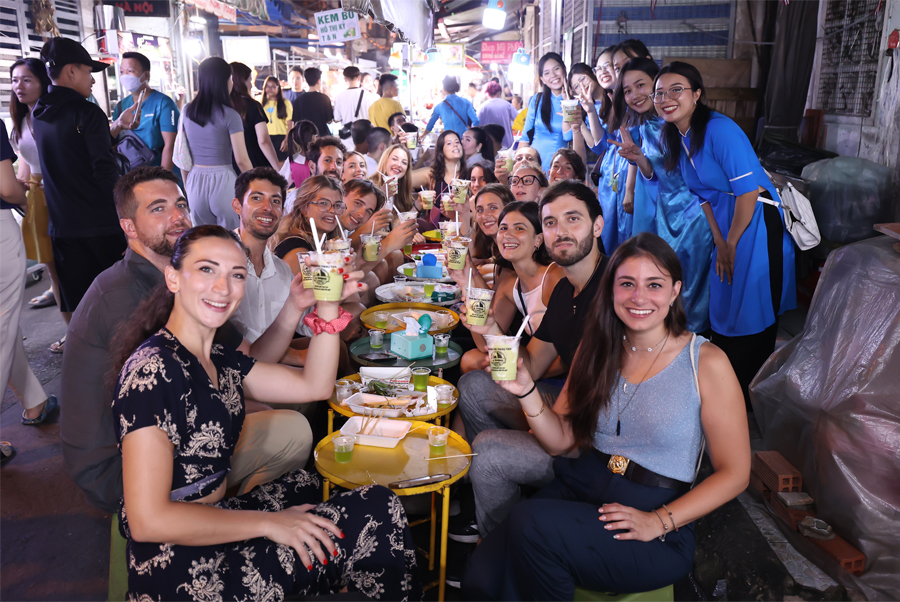
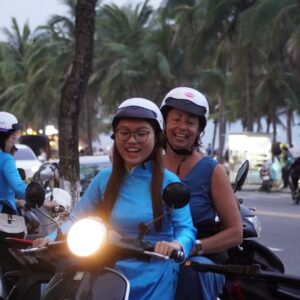
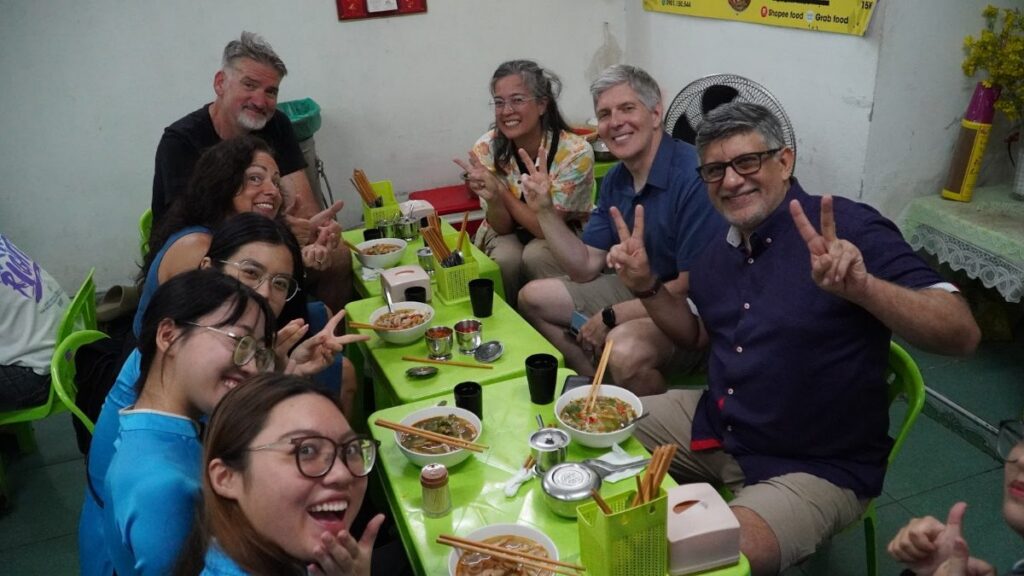
The best way to understand Da Nang food is to eat it with someone who grew up on it. Our women-led Da Nang food tour by motorbike ($49 per person, 4 hours) covers the dishes in this guide — and a few you would never find on your own — with a local rider who has been eating this food her whole life. You can book now and pay in cash after the tour.
Planning the rest of your trip? Start with our pillar guide to things to do in Da Nang, see what the city offers after dark in Da Nang at night, and if you’re flying in, here’s how Da Nang airport fast track gets you out of the terminal and to your first bowl faster.