
A Vietnam 2-week itinerary works best flown south to north: four days in Saigon, four in Da Nang and Hoi An, three in Hanoi, then an overnight cruise in Ha Long Bay, linked by two short domestic flights. Below is the day-by-day route we plan for our own guests, with real 2026 prices.
Prices are in Vietnamese đồng (VND); USD figures are approximate (≈26,500 VND to $1) and may change.
Is Two Weeks Enough for Vietnam?

Two weeks is enough to see Vietnam’s three main regions — south, center and north — without spending half the trip in transit. Vietnam stretches more than 1,600 km from Saigon to Hanoi, so the honest trade-off is depth versus distance: this Vietnam 2-week itinerary skips Sapa, Phu Quoc and the far north loop on purpose.
“Everyone lands wanting to see the whole country. The guests who leave happiest are the ones who accept they’ll be back,” says Vy, one of our áo dài riders in Saigon.
After 100,000+ guests on our Saigon tours, the one planning tip we repeat most: book your two internal flights before you book hotels. They fix the skeleton of your Vietnam 2-week itinerary, and early fares are a fraction of walk-up prices.
What Is the Best Route for a Vietnam 2-Week Itinerary?
The proven route is Saigon (4 days) → Da Nang and Hoi An (4 days) → Hanoi (3 days) → Ha Long Bay (2 days), with a buffer day at the end. South to north means you start with the easiest infrastructure and warmest weather, and finish with the trip’s postcard moment on the water.
Week 1
| Day | Where | What |
|---|---|---|
| 1 | Saigon | Land at Tan Son Nhat, District 1, rooftop sunset |
| 2 | Saigon | City sights by motorbike + street food after dark |
| 3 | Saigon | Cu Chi tunnels or Mekong Delta day trip |
| 4 | Saigon | Chinatown (Cho Lon) and a metro ride |
| 5 | Da Nang | Fly SGN–DAD (about 1h20m), beach afternoon |
| 6 | Da Nang | My Khe morning, Marble Mountains, Dragon Bridge fire show (Fri–Sun) |
| 7 | Hoi An | Ancient Town, lanterns, coconut forest |
Week 2
| Day | Where | What |
|---|---|---|
| 8 | Da Nang / Hue | Ba Na Hills or Hai Van Pass day trip |
| 9 | Hanoi | Fly DAD–HAN (about 1h20m), Old Quarter evening |
| 10 | Hanoi | Hoan Kiem Lake, Temple of Literature, egg coffee |
| 11 | Hanoi | Train Street, museums, water puppets |
| 12 | Ha Long Bay | Overnight cruise departs (about 2.5h transfer) |
| 13 | Ha Long Bay | Sunrise on the bay, back to Hanoi |
| 14 | Hanoi | Buffer day, fly home from Noi Bai |
Days 1–4: Saigon — Street Food, History and the Mekong
Saigon (Ho Chi Minh City) is the best place to start a Vietnam 2-week itinerary because it front-loads the energy: 9+ million people, the country’s liveliest street food scene, and war history you can touch. If you only book one guided experience here, make it food. Our 4-hour Saigon food tour covers 10+ dishes across 5 districts riding pillion with our women drivers ($59 USD) — and you can pay in cash after the tour: book now, pay later.
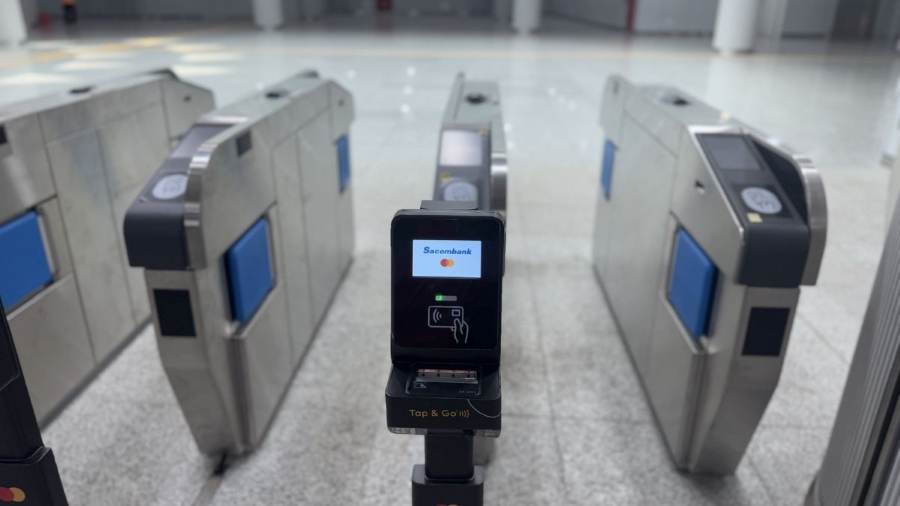
First morning tips are in our first-timer’s guide to Saigon, but the short version: a Grab from the airport to District 1 runs 110,000–250,000 VND (~$4–9.5) plus a 10,000–15,000 VND gate fee. Metro Line 1 runs from Ben Thanh daily, 5AM–10PM Monday–Thursday and until 11PM Friday–Sunday. Day 3 is your day trip: Cu Chi tunnels for history or the Mekong Delta for river life.
Traveling as a family? Kids from age 7 ride their own bike with their own driver on our tours; younger children sit between the driver and a parent — a detail we settled over thousands of family bookings.
Days 5–8: Da Nang and Hoi An — Beaches, Bridges and Lanterns
Da Nang is the logical second stop: roughly 50 flights a day connect it with Saigon, the flight takes about 1h20m, and 2026 fares start around 450,000 VND (~$17) booked ahead. The city pairs a long sand beach with Vietnam’s most photogenic bridges — time your visit for Friday to Sunday and the Dragon Bridge breathes fire and water at 9 PM, free, for about 30 minutes.
Base yourself in Da Nang and day-trip to Hoi An 30 km south, or split your nights. Our picks for the area are in Things to Do in Da Nang and the Da Nang food guide — mì Quảng in its home city is a different dish from the export version. Want Hue’s imperial citadel too? Steal a day using our Central Vietnam itinerary.
KissTour runs Da Nang by motorbike as well: city half-day $40 USD, food tour $49 USD, night tour $35 USD — with the same 100% women drivers as Saigon.
Days 9–11: Hanoi — The Old Quarter at Walking Pace
Hanoi rewards slowness the way Saigon rewards momentum. Days 9–11 of a Vietnam 2-week itinerary should slow down with it: one evening getting lost in the Old Quarter’s 36 streets, a day for Hoan Kiem Lake and the Temple of Literature, and a morning for egg coffee before the tour groups arrive. The DAD–HAN flight is another roughly 1h20m hop.
Vietnam’s north runs on a different clock — cooler, mistier, older. October to April is its sweet spot, which is exactly when this south-to-north routing pays off: you leave the central coast before its wet season peaks and arrive in Hanoi’s best months.
Days 12–13: Ha Long Bay Overnight Cruise

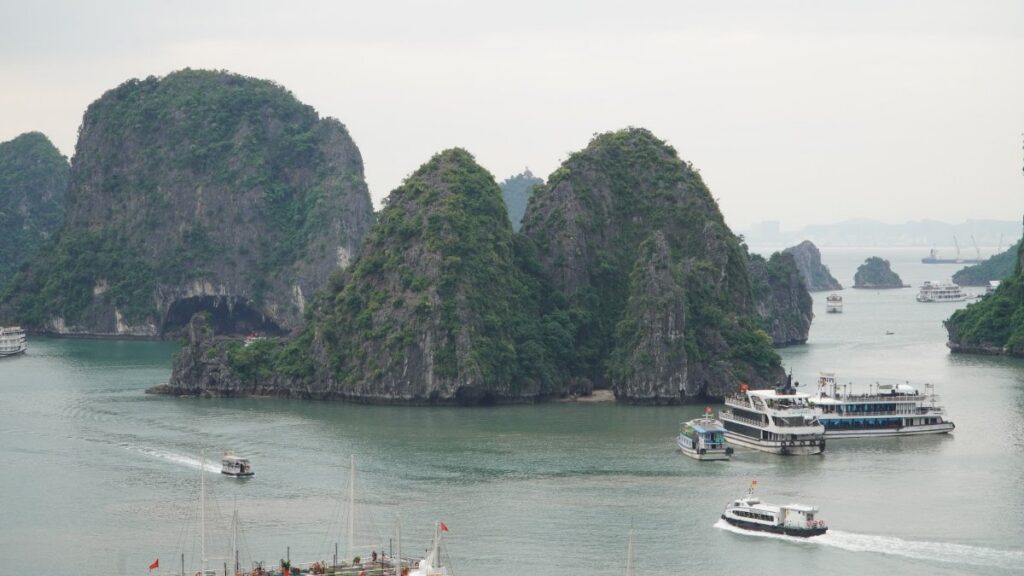
An overnight cruise is the right way to see Ha Long Bay; day trips spend more hours on the bus than on the water. The bay — a UNESCO World Heritage Site of around 1,600 limestone islands — sits about 2.5 hours from Hanoi by expressway. Mid-range overnight cruises in 2026 run roughly 3,200,000–4,200,000 VND (~$120–160) per person including meals and kayaking.
Book a cruise that includes the transfer, sleep on the water, and you’ll be back in Hanoi by mid-afternoon on day 13 with the photo everyone came for.
How Much Does a Vietnam 2-Week Itinerary Cost?
Excluding international flights and hotels, budget roughly 9,000,000–13,000,000 VND (~$340–490) per person for the moving parts of a Vietnam 2-week itinerary:
| Item | Typical 2026 price |
|---|---|
| E-visa (90-day) | $25 USD single entry |
| 2 domestic flights (booked early) | from 450,000 VND (~$17) each |
| Ha Long overnight cruise (mid-range) | 3,200,000–4,200,000 VND (~$120–160) |
| Guided tours (2–3 across the trip) | $35–79 USD each |
| Street food meals | 25,000–60,000 VND (~$1–2.5) per dish |
| Airport assistance (optional) | from $30 USD per person |
Hotels are the wild card — Vietnam runs from hostel dorms to five-star rooms — so we’ve left them out rather than guess for you.
Do You Need a Visa for Two Weeks in Vietnam?
Most travelers need Vietnam’s 90-day e-visa: $25 USD single entry, $50 USD multiple entry, issued in 3–5 working days through the official portal at evisa.gov.vn. UK passport holders currently enter visa-free for up to 45 days. Everyone also completes the health declaration required since July 1, 2026 — details in our Vietnam entry requirements guide and the full Vietnam visa guide.
Tan Son Nhat is a big, busy terminal to work out at the end of a long flight. If you would rather not do it alone, an airport host (from $30 USD per person) meets you in the arrival hall and walks you to the right counter.
When Should You Take This Trip?
February to April is the safest window for this exact Vietnam 2-week itinerary: dry season on the central coast (Da Nang’s dry months run February–August), pleasant spring weather in Hanoi, and warm-but-bearable Saigon. Avoid September–November for this routing — that’s typhoon season in central Vietnam. If you must travel then, flip the route or swap the center for more time north and south.
Vietnam 2-Week Itinerary FAQ
Is two weeks in Vietnam better spent in fewer places?
If it’s your first visit, no — the three-region route above gives contrast without exhausting you. Repeat visitors do better picking one region and going deep.
Should a Vietnam 2-week itinerary go south to north or north to south?
Either works; we plan south to north because you finish with Ha Long Bay, and because Hanoi’s cooler months suit the end of the trip from October to April.
Can I do this route without flying?
Yes, but it costs days: the Saigon–Da Nang train alone takes 16–18.5 hours (soft sleeper 1,270,000 VND, ~$48). Take the train for one leg if you want the experience, not both.
Is this itinerary doable with kids?
Yes — on KissTour rides, children from age 7 get their own driver; younger kids ride between the driver and a parent. Build in pool afternoons and keep day trips to one per city.
How much cash should I carry?
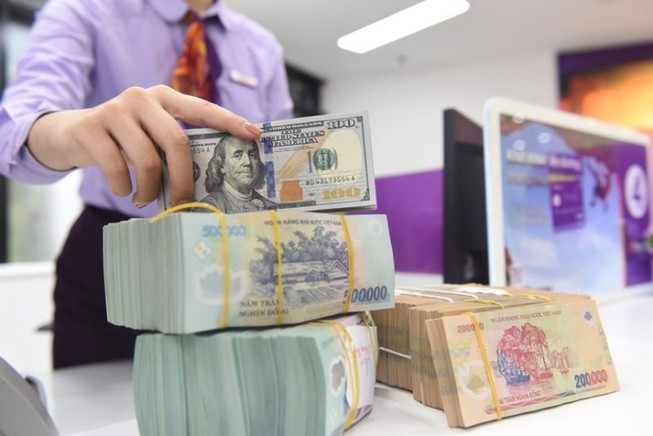
Cards and QR payments work in cities, but street food, markets and small cafés are cash-first. Withdraw VND at bank ATMs and keep small notes.