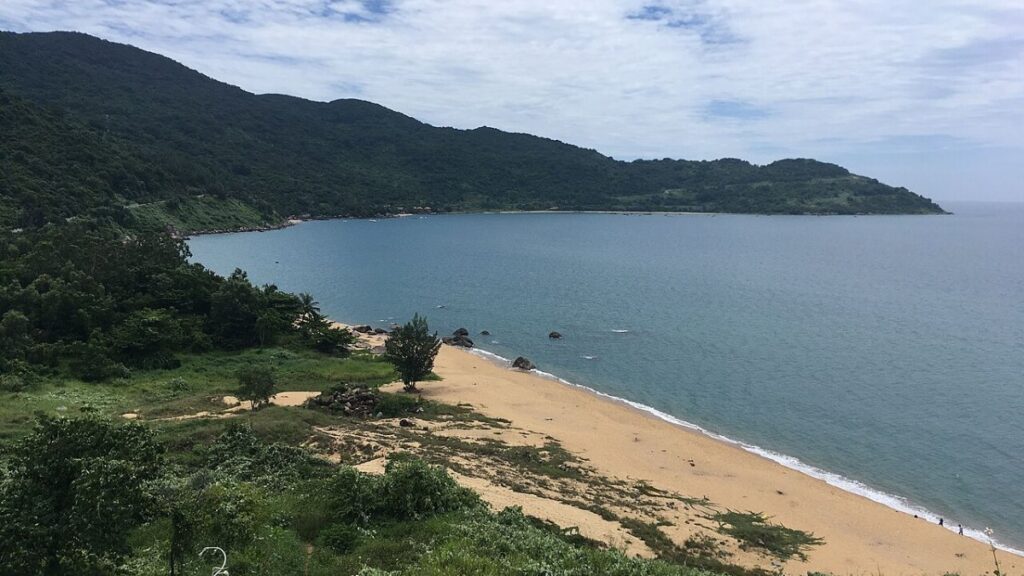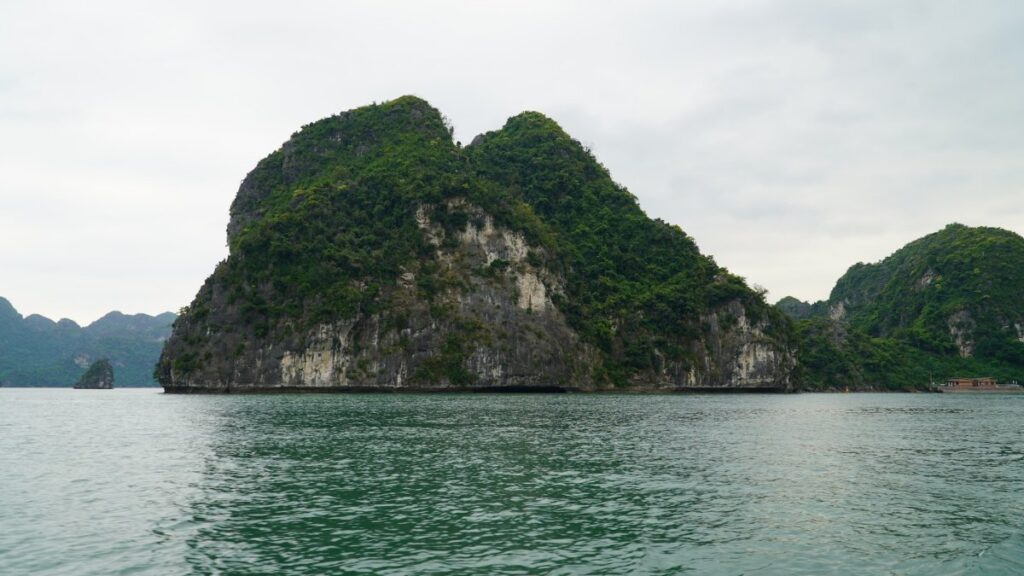

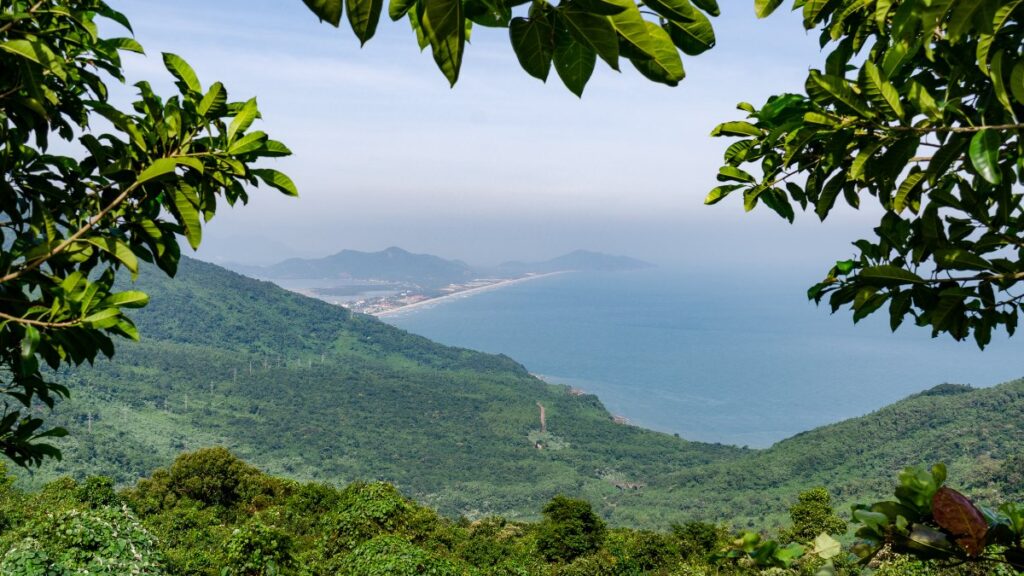
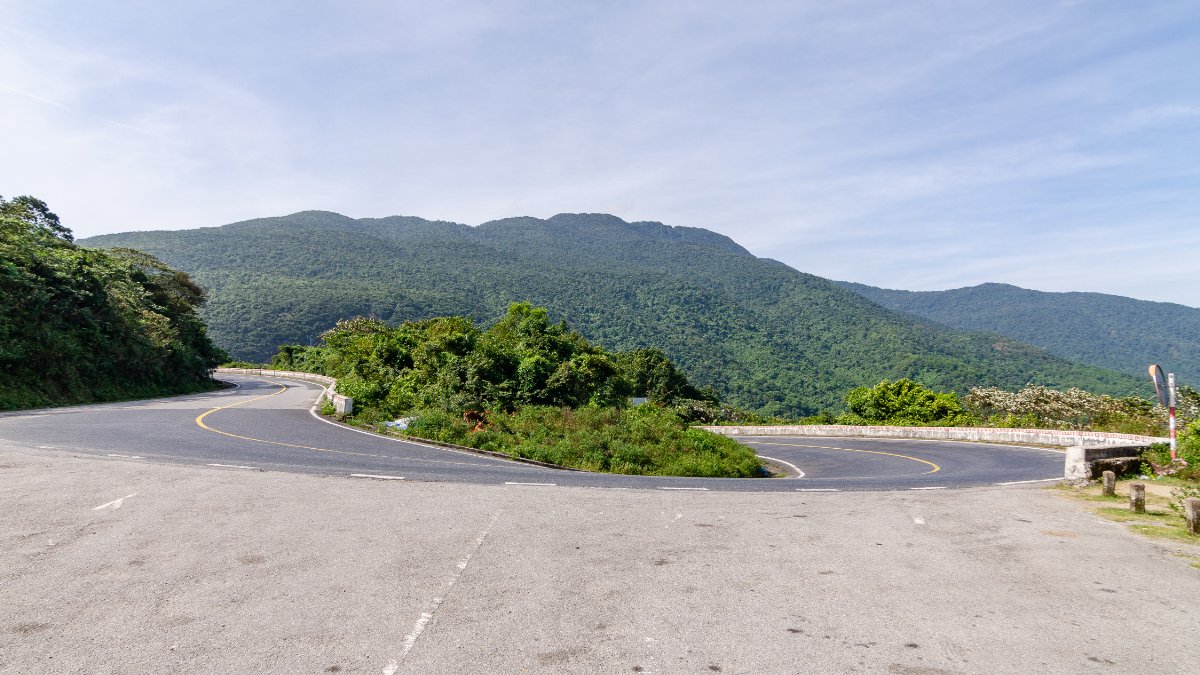
The Hai Van Pass is a 21 km ribbon of mountain road climbing to about 500 m where the Truong Son range drops into the sea, and it is genuinely one of the great coastal drives on earth. The question that actually decides your day is not whether to do it, but how: who should ride it themselves, who should not, and how you get from Da Nang to Hue without ending up stranded with a rental bike you have to ride back. This is the honest version from a team that crosses this pass with guests most weeks. Figures were checked on August 18, 2026 and may change; conversions use 1 USD ≈ 26,000 VND.
Quick answer: Ride the pass yourself only if you are a confident, correctly-licensed rider (a 1968 International Driving Permit plus your home motorcycle licence). Da Nang to Hue over the pass is about 100 km, roughly 2.5 hours of riding before stops — a comfortable full day. Everyone else should take a private car or an easy-rider driver over the old pass road, not the tunnel. Confident riders travelling one-way should rent in Da Nang, drop the bike in Hue, and send luggage ahead by van.
Should You Ride It Yourself, or Not?
Ride it yourself only if you already ride at home and hold the right paperwork; if either of those is shaky, hand the driving to someone else and enjoy the view instead. The Hai Van is not technically difficult — it is a well-paved, wide, well-graded road — but it is a real mountain pass with blind curves, tour vans, and cloud that can drop visibility to a few metres without warning. The people who get hurt here are almost never expert riders; they are holiday riders on a scooter they rented an hour ago.
Here is the frank decision guide:
- Ride your own bike if: you ride regularly at home, you are comfortable on a semi-automatic or manual in traffic, and you have a 1968 IDP + motorcycle licence. See getting around Da Nang for the licence detail.
- Take an easy-rider (you on the back) if: you want the wind, the stops and the photos but do not want to drive — a local driver handles everything.
- Take a private car with driver if: you are travelling with family, carrying luggage, it is raining, or you simply prefer comfort and air-con.
- Take the coastal train if: you have no interest in stopping and just want the scenery on a budget — more on that below.
What Every Option Actually Costs
Expect roughly $4–8 a day to self-ride, about $45–70 per person for an easy-rider day, and $40–90 for a private car one-way — the train is the budget outlier at a few dollars. This is the single thing most guides leave out, so here it is with numbers and units:
| Option | Who it suits | Price (checked Aug 2026) | See the view? | Luggage handled? | Effort |
|---|---|---|---|---|---|
| Self-ride, own/rented bike | Confident, licensed riders | Rental 100,000–200,000 VND/day ($4–8); one-way drop-off adds ~800,000–1,500,000 VND ($31–58) incl. luggage van | Fully | Only if you pay for the van | High |
| Easy-rider (pillion) | Non-riders who want the stops | ~$45–70 per person; fuel, helmet, rain gear and hotel pickup usually included | Fully | Yes, van follows | Low |
| Private car + driver | Families, luggage, bad weather | ~$40–90 one-way (~1,000,000–2,300,000 VND) for the car, not per person | Fully (ask for the pass) | Yes, in the boot | None |
| Scenic coastal train | Budget, no-stop travellers | Standard seat from ~90,000 VND (~$3.50); heritage tourist carriage ~250,000–460,000 VND ($10–18) | From the window only | Carry it on | None |
| Tunnel (car/bus) | Getting there fast | Lowest-cost and quickest, but bypasses the whole pass | No | Yes | None |
Two things the price columns hide. First, the train does not stop — you get the same coastline the road does, framed through glass, but you cannot pull over at Lap An Lagoon or the summit. It is a beautiful transfer, not a day out. Second, a private car is priced per vehicle, not per head, so for two or three people it often beats two easy-rider seats.
The One-Way Problem Nobody Explains: Rent in Da Nang, Drop in Hue
You do not have to ride back — one-way motorbike rental lets you collect the bike in Da Nang, ride over the pass, and leave it at a partner shop in Hue while your bags travel separately by van. This is the part that trips up every self-rider, and almost no competing guide spells it out. Here is the actual play:
- Book a one-way rental, not a round-trip. Tell the Da Nang shop you are dropping in Hue. Expect a one-way surcharge of roughly 100,000–200,000 VND ($4–8) plus, if you want your suitcase carried, a luggage-van fee that usually brings the total one-way logistics to about 800,000–1,500,000 VND ($31–58). Many operators include the first two bags free (up to ~20 kg each), delivered straight to your Hue hotel.
- Hand over your big bag the night before or at pickup. The van runs through the tunnel and beats you to Hue, so your luggage is often at reception before you arrive. You ride light with only a small daypack strapped on.
- Fuel up in Da Nang before you start. There are no petrol stations on the pass itself. Fill the tank at the bottom — a scooter tank easily covers the whole crossing with margin.
- Ride over, drop the bike at the Hue address, keep the photo of the handover. Photograph the odometer and any existing scratches at pickup and drop-off so there is no deposit dispute.
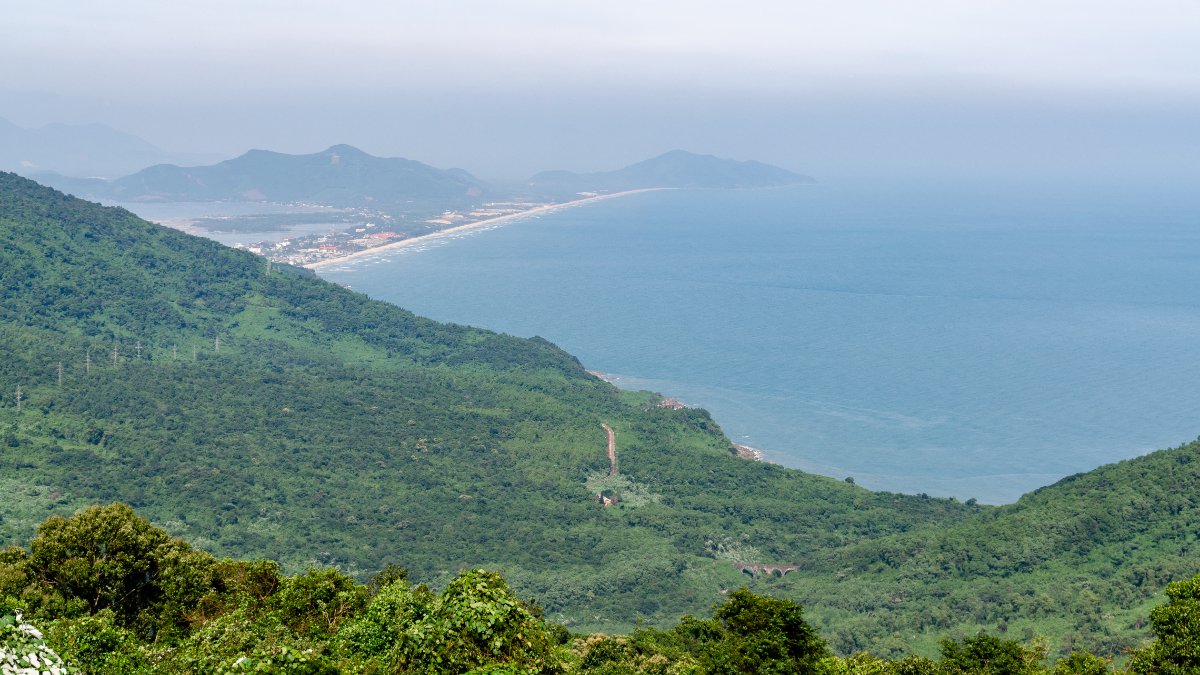
The photo worth stopping for: Lap An Lagoon is best in the morning, when the water goes mirror-still and the mountains reflect in it. Pull over on the lagoon side just after you come down from the pass on the Hue direction, before the row of oyster-shack restaurants – that stretch has the cleanest reflection and room to stop safely.
The Stops, North to South, and Where to Actually Pull Over
Ride Da Nang toward Hue (south-to-north) so the sea sits on your right and the best pull-offs are on your side of the road; give the summit and the Lang Co side the most time. The pass rewards a slow crossing — the driving is 90 minutes but the good version is a half to full day. In order as you climb from the Da Nang side:
- Nam O and the Da Nang foothills — the warm-up bends with the city bay behind you; a good first horn-and-brake test before the switchbacks proper.
- Hai Van Quan (the summit gate). The stone gateway and the war-era French and American bunkers, plus a 360-degree panorama of coastline on both sides. This is the busiest stop — arrive early to beat the tour buses.
- The Lonely Pine Tree. A single wind-bent pine on the ridge just past the summit — the classic Hai Van portrait shot.
- The Old Radar Station. A short climb above the gate to an abandoned military lookout with the widest views on the whole pass. Skip it in fog; it is worth it on a clear morning.
- Lang Co Bay. The long crescent of white beach and turquoise water on the Hue side — the natural lunch halt, with seafood shacks along the strand.
- Lap An Lagoon. The mirror-flat oyster-farm lagoon just past Lang Co, ringed by mountains and dotted with wooden oyster racks. Late afternoon it turns to glass and reflects the whole range — the most photographed spot on the northern side and one our draft used to miss entirely. A short detour beyond leads to Elephant Springs, a cool-water swimming spot if you have time.
Safety, Fog and the Police Checkpoints
The pass is safe for competent riders in dry weather, but two things catch travellers out: the weather at the top and the licence checks at the bottom. Take both seriously.
Weather. The name means “Ocean Cloud Pass” for a reason — the summit is often capped in cloud even when the coast is sunny, and mist makes the tarmac slick. Use your horn before blind curves, keep hazard lights on in low visibility, and never overtake into a bend you cannot see through. Bikes are banned from the Hai Van tunnel, so the old pass is your only legal route on two wheels anyway.
Police checkpoints — the honest bit. Checkpoints on and around the pass are routine, and since 2024 they stop foreigners on any bike, including small scooters. Officers want to see your original motorcycle licence and a 1968-Convention IDP together; a 1949 IDP is not valid in Vietnam. Riding without the right paperwork risks a fine of roughly 2–4 million VND ($77–154) and a bike impound — and, more importantly, it voids your travel and health insurance if anything happens. No rental shop’s “you’ll be fine” is worth that. If you do not hold the correct licence, this alone is the reason to take an easy-rider or a car.
When It Is Not Worth Riding — and When to Go
Skip the self-ride if you have never ridden a motorbike, if it is raining hard, or if you do not hold a valid IDP — the pass loses nothing from the passenger seat, and you keep your insurance. Ride in the dry season, roughly February or March through September, and start early: a 6–7 AM departure gives the clearest summit before the cloud builds and the buses arrive. October to January brings persistent mist, rain and reduced visibility, when a car is the smarter call. For the wider weather picture, see the best time to visit Da Nang.
Honestly, the pass is most people’s highlight regardless of how they cross it — the mistake is renting a bike to prove something and spending the day tense instead of looking at the view.
Fitting the Pass Into Your Trip
The Hai Van works best as a one-way leg between Da Nang and Hue rather than a there-and-back detour, so build it into the direction you are already travelling. Pair it with your Da Nang days — a Da Nang food tour the evening before is a perfect low-key start before an early ride, and Ba Na Hills rounds out the mountains-and-coast pairing. For the Hue end and the wider loop, see our Da Nang to Hue day trip and the central Vietnam itinerary. Our women guides can set up a private car or a vetted easy-rider driver over the pass, luggage van included, so you get the road without the licence gamble — message us and we will arrange it.
FAQ: Hai Van Pass, Da Nang to Hue
Is the Hai Van Pass worth it?
Yes. It is one of the most scenic coastal roads in the world, with summit panoramas, Lang Co Bay and Lap An Lagoon along the way. It is worth doing whether you ride it, take an easy-rider, or cross by private car — the view is the point, not the driving.
How long does it take to drive the Hai Van Pass?
The 21 km pass itself takes about 1 to 1.5 hours with photo stops. The full Da Nang-to-Hue journey over the pass is roughly 100 km and about 2.5 hours of driving before stops, making a comfortable full-day trip.
How much does a Hai Van Pass motorbike tour cost?
An easy-rider day (you on the back, driver, fuel and helmet included) runs about $45–70 per person. Renting a bike to self-ride is only 100,000–200,000 VND a day (about $4–8), plus roughly $31–58 for a one-way drop-off with luggage van. Figures checked August 2026 at 1 USD ≈ 26,000 VND.
Can you do the Hai Van Pass without riding a motorbike?
Yes. Take a private car with a driver (about $40–90 one-way for the whole car), sit pillion with an easy-rider, or take the scenic coastal train. Just ask any car or bus driver to take the old pass road, not the tunnel, which skips the view.
Is the Hai Van Pass safe to ride?
It is safe for confident, correctly-licensed riders in dry weather. The risks are fog at the summit and slick tarmac, not the road itself. If you are not an experienced rider, take an easy-rider or a car rather than renting a bike for the first time here.
Should I take the Hai Van Pass or the tunnel?
Take the pass for the scenery; the tunnel is faster but bypasses the entire view. Motorbikes are not allowed in the tunnel at all, so on two wheels the old pass road is your only option.
Do you need a licence or IDP to rent and ride in Vietnam?
Yes. You legally need your home motorcycle licence plus a 1968-Convention International Driving Permit, and checkpoints on the pass do stop foreigners. Riding without them risks a fine of about 2–4 million VND, a bike impound, and voided travel insurance.
How do I get my luggage from Da Nang to Hue if I ride the pass?
Book a one-way rental with a luggage van: you hand over your big bag in Da Nang, it travels through the tunnel and is delivered to your Hue hotel, and you ride light with a daypack. Many operators carry the first two bags (up to about 20 kg each) as part of the one-way fee.
Which direction is best to ride the Hai Van Pass?
Ride south-to-north, Da Nang toward Hue, so the sea is on your right and the best pull-offs are on your side of the road. Start at 6–7 AM to reach the summit before the cloud and the tour buses.