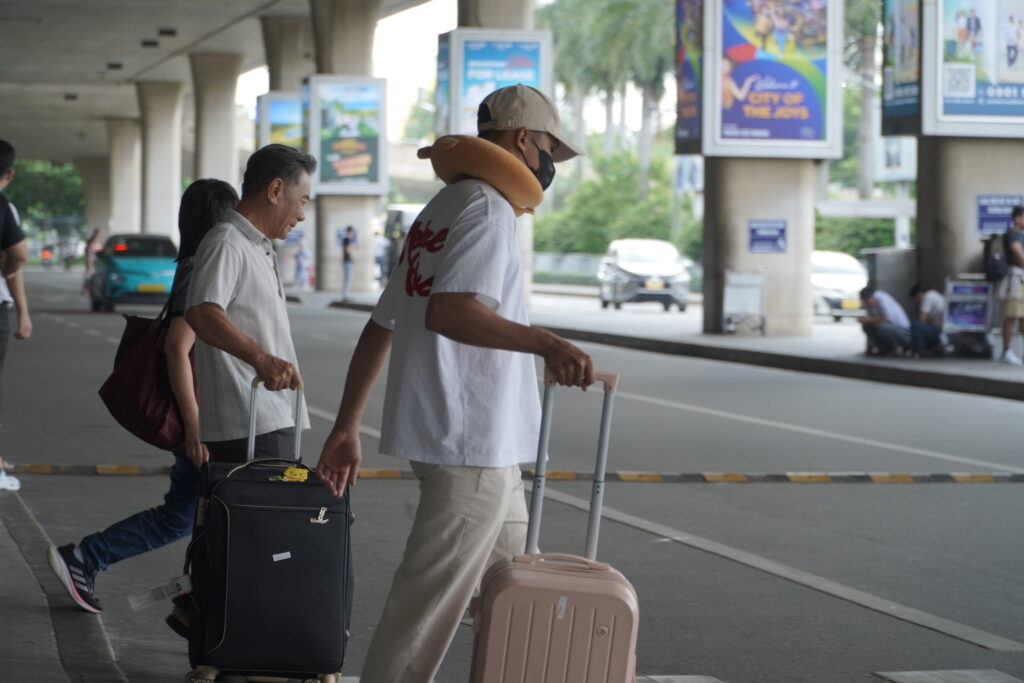

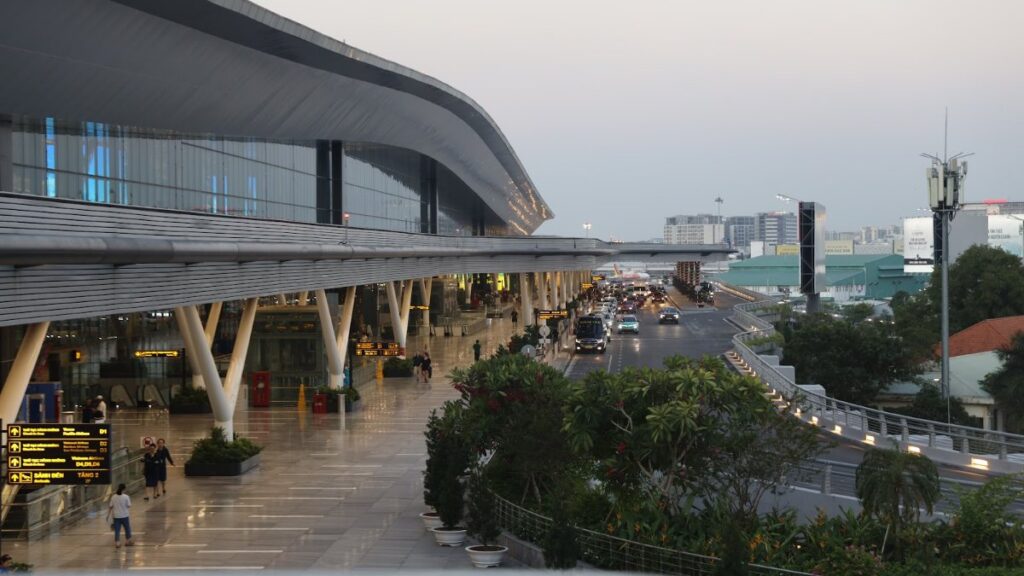
Short answer: For international flights out of Vietnam, plan to be at the airport about 3 hours before departure. For domestic flights, about 2 hours is enough. The number that decides whether you make your flight is not when you walk in the door, but whether you clear check-in, security, and (for international) passport control before those counters close, roughly 40 to 60 minutes before departure.
Online advice pulls you in two directions: one forum says arrive at dawn, another says you are wasting your life in the terminal. Both fears are real. This is a plain rule you can trust, plus the honest exceptions so you can judge your own flight.

The simple rule
Arrive about 3 hours before an international flight, and about 2 hours before a domestic one. This applies at Tan Son Nhat (SGN), Noi Bai (HAN), and Da Nang (DAD). It is not a superstition; it is the time a normal traveler needs to move through the steps between the entrance and the aircraft door without rushing. If you remember nothing else, remember 3 and 2.
Why the check-in clock matters more than “arriving”
Being inside the terminal is not the finish line. Airlines close check-in and bag drop well before departure, typically around 40 to 60 minutes before, and the boarding gate closes earlier than most people expect. The exact cutoffs vary by airline, and budget carriers such as VietJet and Bamboo Airways enforce them strictly. If you reach the counter one minute after it closes, an early arrival at the curb does not help. So the real target is: be checked in, through security, and (if flying internationally) through emigration before those doors shut.
What has to happen before you board
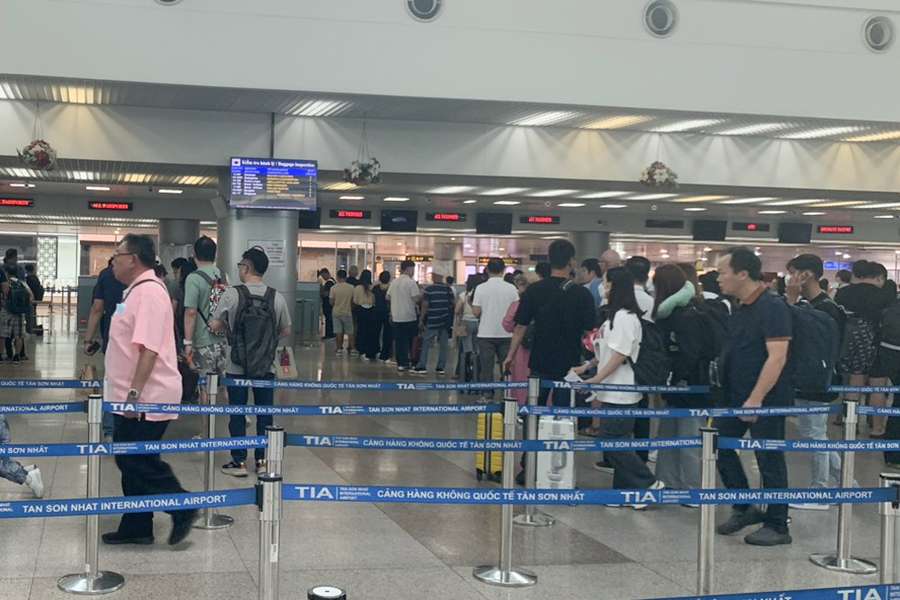
Picture the three gates you pass through, because each one can hold a queue.
- Check-in and bag drop. Get your boarding pass and hand over checked bags. This is the counter with a firm closing time.
- Security screening. Everyone passes through, and lines swell during peak banks of departures.
- Emigration (passport control), international only. Foreign tourists use the manual counters and cannot use the automatic e-gates on the way out, so this line can be the slowest part of the whole trip.
Domestic flights skip emigration, which is a large part of why 2 hours is enough for them and international flights need the extra hour.
When to add a buffer
Lean earlier than the base rule when any of these apply to you.
- An international flight in the busy evening departure bank, when many long-haul flights leave close together.
- Public holidays, and especially Tet, when both traffic and terminals are fuller.
- Tan Son Nhat at peak hours, its heaviest times.
- Traveling as a family or a large group, which simply moves slower.
- Checked bags rather than carry-on only.
- A VAT (tax) refund claim on shopping, which adds a stop before you leave.
- A same-day domestic-to-international connection where you collect bags and re-check in yourself.
If two or more of these stack up, give yourself more than 3 hours.
When the shorter side is fine
You do not always need the maximum. The shorter end of the range is reasonable when the conditions are calm and you know the drill: a domestic flight, at an off-peak hour, with carry-on only, flown by someone who travels often and already holds a boarding pass on their phone. In that case, arriving right around the 2-hour mark for domestic is comfortable. The people who should always lean earlier are first-time visitors, anyone with checked bags on an international flight, families, and anyone flying during a peak or a holiday.
A quick note per airport
The three main international gateways feel different at the counters.
- Tan Son Nhat (SGN), Ho Chi Minh City. The busiest of the three and the most prone to long queues at peak hours. Favor the full 3 hours for international departures here, and add to it during holidays.
- Noi Bai (HAN), Hanoi. Busy but generally more orderly than SGN. The standard 3 hours works well; still watch the evening international bank.
- Da Nang (DAD). The calmest of the three, with shorter lines outside peak times. The base rule is plenty, and off-peak domestic flights here are where the shorter side is most comfortable.
If tight timing worries you, or you are arriving during a peak or a holiday, priority or fast-track assistance through check-in and emigration can reduce the queue risk and take the guesswork out of the slowest lines. It is optional, not required, but it buys peace of mind when the clock is tight.
FAQ: Airport arrival timing in Vietnam
How early should I arrive for an international flight from Vietnam?
About 3 hours before departure. That gives you room for check-in, security, and the manual emigration counters, which foreign tourists must use because the e-gates are not available on exit.
How early for a domestic flight?
About 2 hours is enough. Domestic flights skip passport control, so the process is shorter. If you are off-peak with carry-on only, arriving right around the 2-hour mark is comfortable.
What time does check-in close?
Roughly 40 to 60 minutes before departure, though the exact bag-drop and gate cutoffs vary by airline. Budget carriers such as VietJet and Bamboo Airways enforce them strictly, so do not count on flexibility.
Is arriving at the airport on time the same as making my flight?
No. You still have to clear check-in, security, and (internationally) emigration before those counters close. The closing times, not your arrival at the curb, decide whether you board.
Do I need extra time during Tet or holidays?
Yes. Public holidays and Tet bring heavier road traffic and fuller terminals. Add time to the base rule, especially at Tan Son Nhat and for peak evening international departures.
Can foreign tourists use the automatic e-gates to leave Vietnam?
No. On departure, foreign tourists use the manual emigration counters, which can be the slowest step. Factor that line into your international buffer.
Which airport should I allow the most time for?
Tan Son Nhat (SGN) in Ho Chi Minh City is the busiest and most queue-prone at peak hours. Noi Bai (HAN) is busy but more orderly, and Da Nang (DAD) is the calmest.
I have a same-day domestic-to-international connection. Anything different?
Yes. If you self-transfer, you often collect your bags and re-check in, then pass security and emigration again. Treat it like a fresh international departure and give yourself the full buffer.
Worried about a tight departure? Ask about fast track on WhatsApp – +84 901 006 844