
Vietnam switched on automatic e-gates (autogates) at its major airports, and travelers keep asking the same practical question: does that mean immigration is now instant, and can you skip fast-track help on arrival? The honest answer surprises most people.
Short answer: As a foreign tourist arriving in Vietnam in 2026, you cannot use the autogates yet. You still clear immigration at a staffed manual counter, exactly as before. The e-gates are currently open to Vietnamese citizens and, on departure only, to foreigners holding a Vietnamese residence card. So for most visitors, the value of arrival fast-track assistance is unchanged.
What an autogate is, and which airports have them
An autogate is a self-service immigration gate that reads your passport and verifies your identity electronically, without an officer stamping you through. The gate opens in about 30 seconds, compared with roughly 2 to 4 minutes at a manual counter.
As of 2026, autogates are operating at five international airports in Vietnam:
- Noi Bai International Airport (Hanoi)
- Tan Son Nhat International Airport (Ho Chi Minh City)
- Da Nang International Airport
- Cam Ranh International Airport (Nha Trang)
- Phu Quoc International Airport
Seeing these gates in the arrivals hall is what fuels the confusion. They exist, they are fast, and they are clearly signposted. The catch is who is actually allowed to walk through them.
Who can actually use the autogates
Right now, autogate access is limited to two groups, and ordinary foreign tourists are in neither.
Vietnamese citizens. Citizens with a chip-based (biometric) passport can use the autogates directly. Those without a chip passport register once at the airport, then use the gates afterward.
Foreign residents, on departure only. A foreigner may use an autogate solely when leaving Vietnam, and only if they hold a valid residence card or temporary residence card issued by Vietnamese authorities. First-time registration takes about 4 minutes and is a one-time step. If you live, work, or study in Vietnam on a residence card, this is genuinely useful for exits.
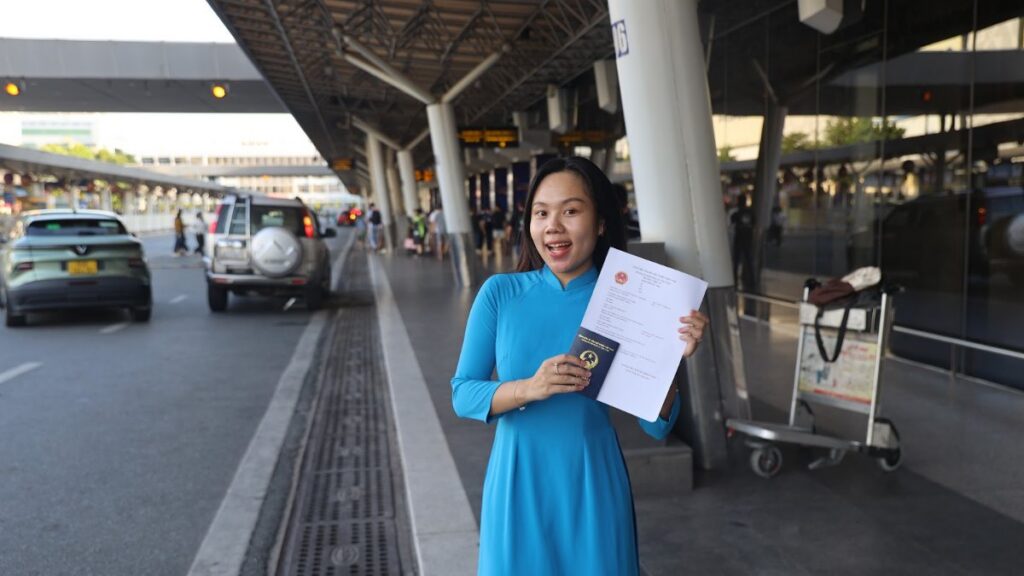
The part that matters for tourists: The system has not yet been opened to the entry of foreign passengers. If you are visiting Vietnam on a tourist visa or e-visa, you cannot use an autogate to enter. You go to a manual counter.
Why arriving foreign tourists still use manual counters
Because entry via autogate has not been extended to foreign passport holders yet. The technology is installed and working, but the policy that governs who may use it for arrival currently covers Vietnamese citizens only.
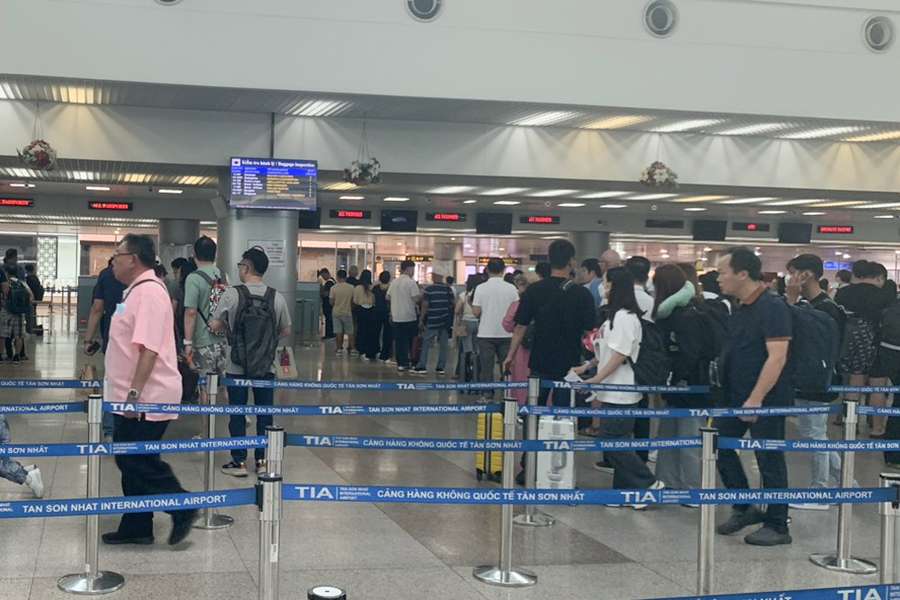
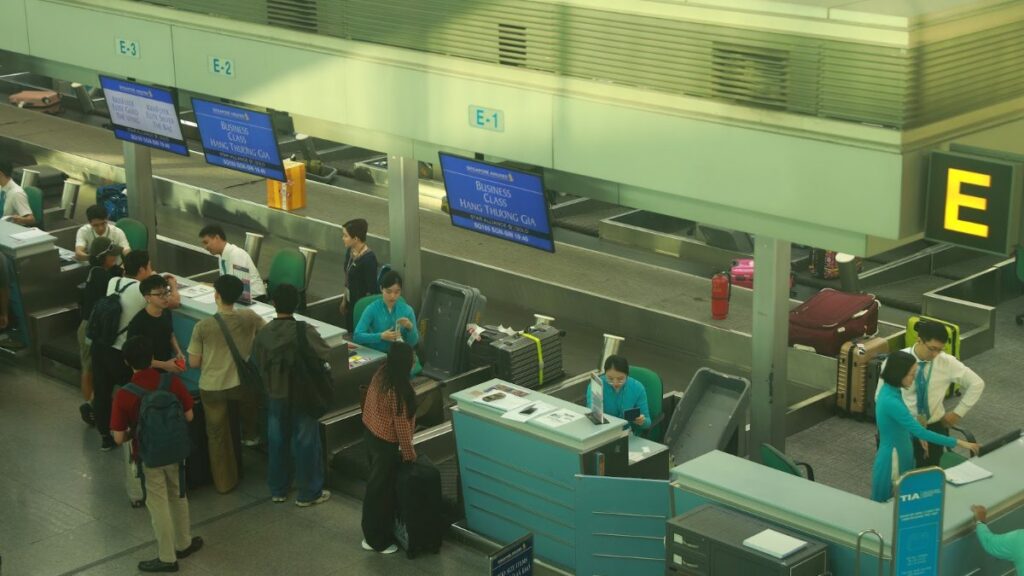
In practice, this means the arrival experience for a foreign visitor in 2026 is the same as it was before the gates appeared: you queue for a staffed immigration booth, an officer checks your passport and visa, and you are stamped in. The 30-second gate time you may have read about does not apply to you on the way in.
This is the single fact most articles gloss over. It is easy to see photos of sleek e-gates and assume the queue problem is solved. For foreign arrivals, it is not solved yet.
So do you still need fast track on arrival?
For most foreign visitors, the case for arrival fast-track or priority assistance is unchanged, because the thing it solves, the manual-counter queue, is unchanged for you.
Fast-track assistance is about being met after you leave the aircraft, escorted to immigration, and prioritized at the counter, rather than joining the back of a long line. Autogates would only reduce that queue if you could use them. Since arriving tourists cannot, the gates do not shorten your wait.
Where the queue hurts most is during peak arrival banks, when several long-haul and regional flights land close together and hundreds of passengers reach immigration within the same 30 to 60 minutes. That is when the difference between walking to a priority counter and standing in a switchback line is largest, especially after an overnight flight with children or tight onward connections.
Who can comfortably skip fast track
Fast track is not for everyone, and it is fair to say so:
- Foreign residents with a Vietnamese residence card already have a faster path on departure through the autogates, and often move quickly on arrival too.
- Travelers arriving at genuinely off-peak times, when few other flights land, may find the manual counters move fast on their own.
- Seasoned, light travelers with hand luggage only, no tight connection, and no visa-on-arrival paperwork to process often clear immigration comfortably without help.
- Anyone on a relaxed schedule who does not mind a longer wait and has no reason to rush.
If that describes you, you can reasonably skip paid assistance and keep your budget for the trip itself.
When the immigration queues are worst
Queues are worst during peak arrival banks and at the busiest airports. Late-evening and early-morning arrival waves at Noi Bai (Hanoi) and Tan Son Nhat (Ho Chi Minh City) tend to concentrate the most passengers at once, because many long-haul routes are timed to land then. Holiday periods and high season add to the load.
If your flight lands in one of these windows, or if you have a connecting domestic flight, young children, elderly travelers, or a visa stamp to collect on arrival, that is when priority assistance earns its place, autogates or not.
FAQ: Vietnam airport autogates and fast track in 2026
Can foreign tourists use Vietnam’s automatic e-gates to enter in 2026?
No. As of 2026, the autogate system has not been opened to the entry of foreign passengers. Arriving foreign tourists still clear immigration at a manual counter staffed by an officer.
Who is allowed to use the autogates right now?
Vietnamese citizens with a chip-based passport (or after a one-time airport registration if they lack one), and foreigners holding a valid Vietnamese residence or temporary residence card, but the latter only when departing Vietnam.
How much faster is an autogate than a manual counter?
An autogate takes about 30 seconds, versus roughly 2 to 4 minutes at a manual counter. That speed advantage only benefits people who are actually permitted to use the gates.
Which Vietnamese airports have autogates?
Five international airports: Noi Bai (Hanoi), Tan Son Nhat (Ho Chi Minh City), Da Nang, Cam Ranh (Nha Trang), and Phu Quoc.
Can a foreigner use the autogate when leaving Vietnam?
Only if they hold a valid Vietnamese residence card or temporary residence card. First-time registration takes about 4 minutes and is a one-time step. Tourists without a residence card use manual counters on departure too.
Do the new e-gates mean I no longer need arrival fast track?
Not if you are a foreign tourist. Because you cannot use the gates to enter, the manual-counter queue you would face is unchanged, so fast-track and priority assistance keep the same value, especially during peak arrival banks.
When are immigration queues at their longest?
During peak arrival banks, when several flights land within the same 30 to 60 minutes, often late evening and early morning at the busiest airports like Hanoi and Ho Chi Minh City, and during holidays and high season.
Will foreign tourists be able to use the autogates in the future?
Possibly, but no official date has been set for extending autogate entry to foreign passengers. For now, plan your arrival on the basis that you will use a manual counter.
Not sure if you need fast track? Ask us on WhatsApp – +84 901 006 844