
You are flying out of Vietnam on an evening long-haul, and you have heard the departure hall at Tan Son Nhat in Ho Chi Minh City or Noi Bai in Hanoi can back up: a long check-in line, a slow emigration counter, then a packed security screening — all before a flight you cannot miss. Departure fast track is a paid meet-and-assist service that moves you through those three points with a greeter and a priority lane. KissTour runs departure fast track at four airports: Tan Son Nhat (SGN) in Ho Chi Minh City, Noi Bai (HAN) in Hanoi, Da Nang (DAD) and Phu Quoc (PQC).
Short answer: Departure fast track puts a staff member with you from the terminal entrance to the security gate — helping with luggage, walking you to check-in, and escorting you to a priority emigration lane. It is worth it during peak departure hours, on tight connections, and for older travelers, pregnant travelers, or families with small children. A light-luggage solo traveler with a few hours to spare can usually skip it.

What departure fast track actually is
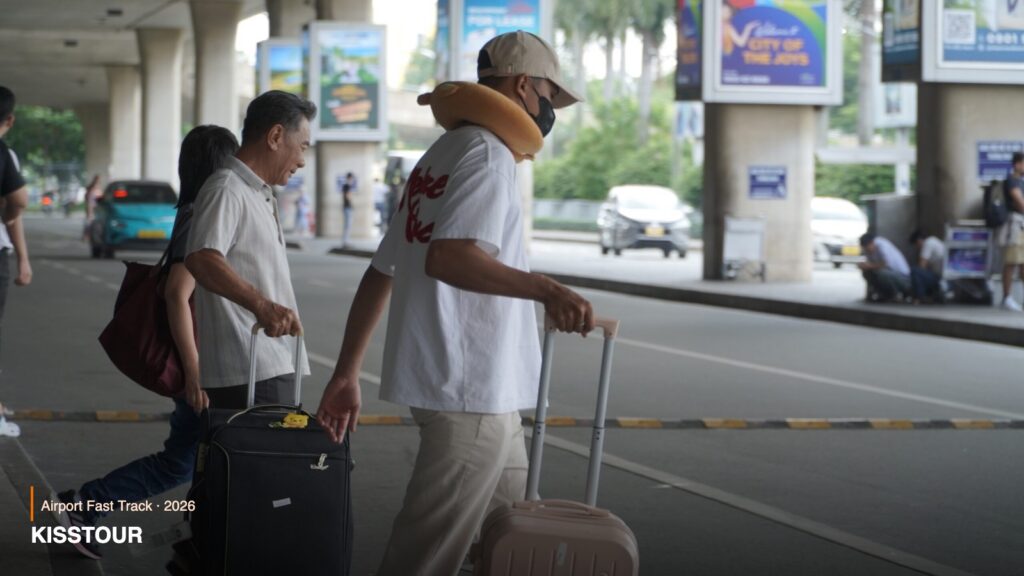
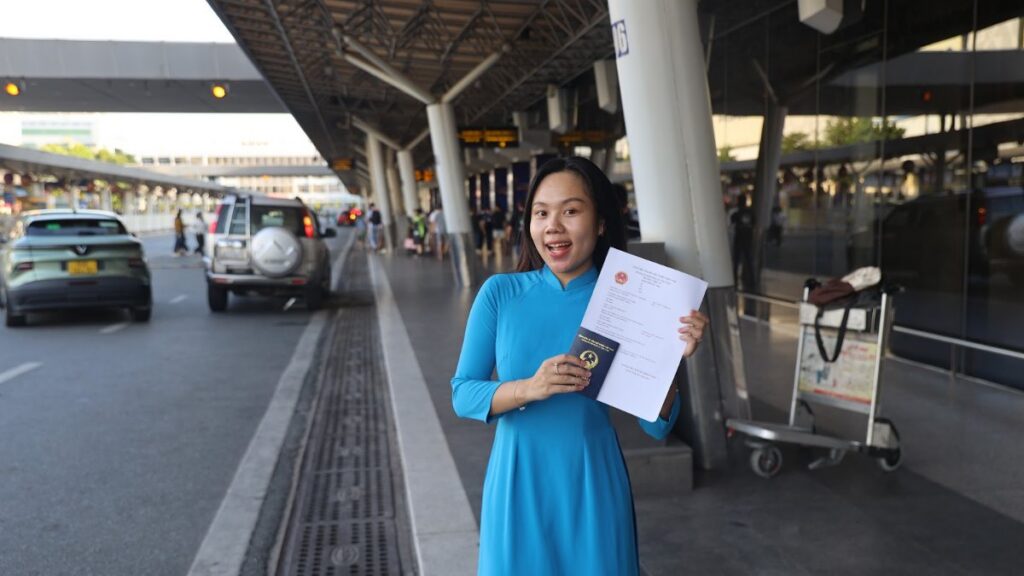
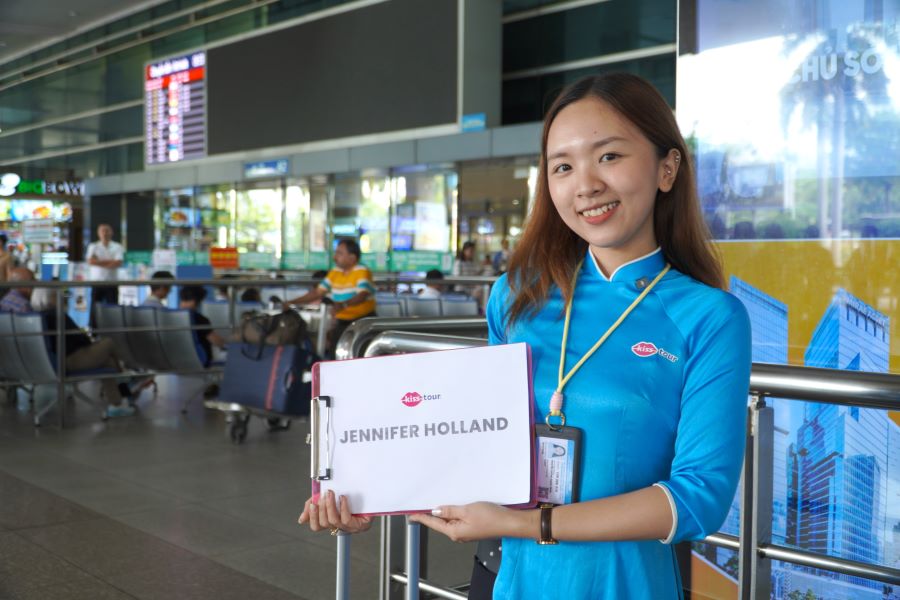
It is airport fast track for the leaving side of your trip, not a lounge and not a separate airport. A uniformed greeter meets you at the departure terminal entrance, helps move your bags to your airline’s check-in counter, walks you through to a priority or fast lane at emigration (passport control), and takes you to security screening. From there you continue to your gate on your own. The service does not check you in for you or change airline rules — it removes the standing-in-line part of departure and gives you someone local who knows the terminal layout.
What it does not do
Fast track does not skip the actual passport check or the security scan themselves — you still clear both, but through a shorter, managed lane rather than the general queue. It does not upgrade your seat, does not get you into an airline lounge unless that is booked separately, and does not exempt you from any airline baggage or document rules.
The departure pain it removes, step by step
There are three chokepoints when you leave Vietnam, and fast track is built around each one.
1. Check-in
At peak times a single long-haul flight can fill the check-in line with a few hundred people at once, and several flights depart in the same evening bank. Your greeter meets you at the entrance, helps with luggage, and takes you to the correct counter for your airline so you are not searching the terminal or joining the wrong line.
2. Emigration (passport control)
This is the step most foreign travelers underestimate. Most tourists do not hold a Vietnamese residence card, so they cannot use the automatic e-gates on exit — those are only for Vietnamese chip-passport holders and foreign residence-card holders. That means you go through a manual emigration counter, and at peak hours the manual counters are where the wait builds. Fast track escorts you to a priority or fast lane at emigration, which is the single biggest time saving the service offers.
3. Security screening
After emigration you reach the security scan, which also bunches up when several flights leave together. Your greeter walks you to the screening point and, where a priority lane exists, directs you to it. Once you clear the scanner, you are airside and continue to your gate.
When it is worth it
Fast track earns its cost in specific situations rather than for everyone.
- Peak departure hours. The evening long-haul bank in Ho Chi Minh City (SGN) and the busy windows in Hanoi (HAN) are when queues are longest and the time saved is largest; Da Nang (DAD) and Phu Quoc (PQC) bunch up around holiday and charter peaks.
- Tight schedules. A short window before your flight, or a same-day domestic-to-international transfer, leaves little room for a slow queue.
- Elderly or pregnant travelers. Less standing and carrying, and a guide who handles the walking and the lines.
- Families with small children. Managing kids, strollers, and bags through three queues is where an extra pair of hands helps most.
- First time at the airport, or a language worry. A local guide removes the guesswork about which counter and which lane.
Who should skip it
If you are a seasoned solo traveler, flying off-peak, with carry-on only and a few hours before departure, you will likely move through check-in, emigration, and security without help — and the money is better kept for the trip. Fast track is about time pressure and reducing hassle, not about a step you cannot otherwise do. If none of the “worth it” points above match your situation, skipping it is a reasonable choice.
How far ahead to book and what to have ready
Book at least 24 hours in advance so the greeter can be assigned to your flight; peak dates fill sooner, so earlier is safer. When you book, give your full name as printed in your passport, your flight number, airline, and departure date and time, and the terminal if you know it.
On the day, have these ready:
- Passport — the same one you entered Vietnam on, valid for onward travel.
- Boarding pass or e-ticket / booking reference — you still check in with your airline; fast track walks you to the counter, it does not replace check-in.
- Any tax-refund or VAT paperwork — if you are claiming a refund on goods bought in Vietnam, that counter is handled separately and can add time, so tell your greeter in advance.
A note on “exit fees”
You do not need to pay any exit fee or airport tax in cash when you leave Vietnam. Airport departure tax is already included in the price of your airline ticket, so there is nothing extra to settle at the terminal. If anyone asks you for a cash “departure fee,” treat it with caution — fast track is a convenience service you arrange in advance, not a mandatory government charge.
What it costs
Pricing depends on the airport, the time of day, and how many passengers are in your group, so we quote it per booking rather than list a flat figure. Tell us your flight and party size and we will send a price before you commit. As a rule of thumb, the value is highest at peak hours and for travelers who most want to avoid the queues.
FAQ: Vietnam departure fast track
Does departure fast track let me skip passport control?
No. You still clear emigration, but through a priority or fast lane with a greeter rather than the general queue. The check itself still happens.
Why can’t I just use the automatic e-gates to leave faster?
On exit, the automatic e-gates are only for Vietnamese chip-passport holders and foreign residence-card holders. Most tourists use a manual emigration counter, which is exactly where fast track helps.
How far in advance do I need to book?
At least 24 hours before departure so a greeter can be assigned to your flight. Book earlier for peak dates and holidays.
Does fast track check me in for my flight?
No. You still check in with your airline. The greeter helps with luggage and walks you to the correct counter, then escorts you through emigration and to security.
Is there a departure tax I need to pay in cash at the airport?
No. Airport departure tax is included in your ticket price, so there is no separate exit fee to pay at the terminal.
Is it worth it if I only have carry-on and plenty of time?
Often not. A confident solo traveler flying off-peak with light bags can usually clear all three steps without help. Fast track pays off under time pressure or when you want less hassle.
Can the service help elderly travelers or families with small children?
Yes. Those are the situations where it helps most, because a guide manages the walking, the luggage, and the queues while you focus on your group.
Which airports does this cover?
We run departure fast track at four airports: Tan Son Nhat (SGN) in Ho Chi Minh City, Noi Bai (HAN) in Hanoi, Da Nang (DAD) and Phu Quoc (PQC). Tell us your departure airport and flight and we will confirm availability and a price.